Praying on Gravel
April 24, 2021Not yet March, already weeds
bring me to my knees
with trowel and bare fingers.


Not yet March, already weeds
bring me to my knees
with trowel and bare fingers.

Taipei, ’97. I walk past side-street
vendors selling lychee nuts and black
rice cakes, to an acre of bare dirt,
concrete pylons lifting a cloverleaf.
“How did your mama die?” I ask Grandma Essie, my dad’s mother. She looks down at the floor.
“She died of quinsy.”
Something doesn’t feel quite right to eight-year-old me.
In 2008, I turned forty-five, Wall Street collapsed, California voters banned gay marriage, and I lost my virginity. The financial system’s meltdown changed the air I breathed, in the same way fire distributes ash for…
Dialogue 54.1 (Spring 2021): 69–79
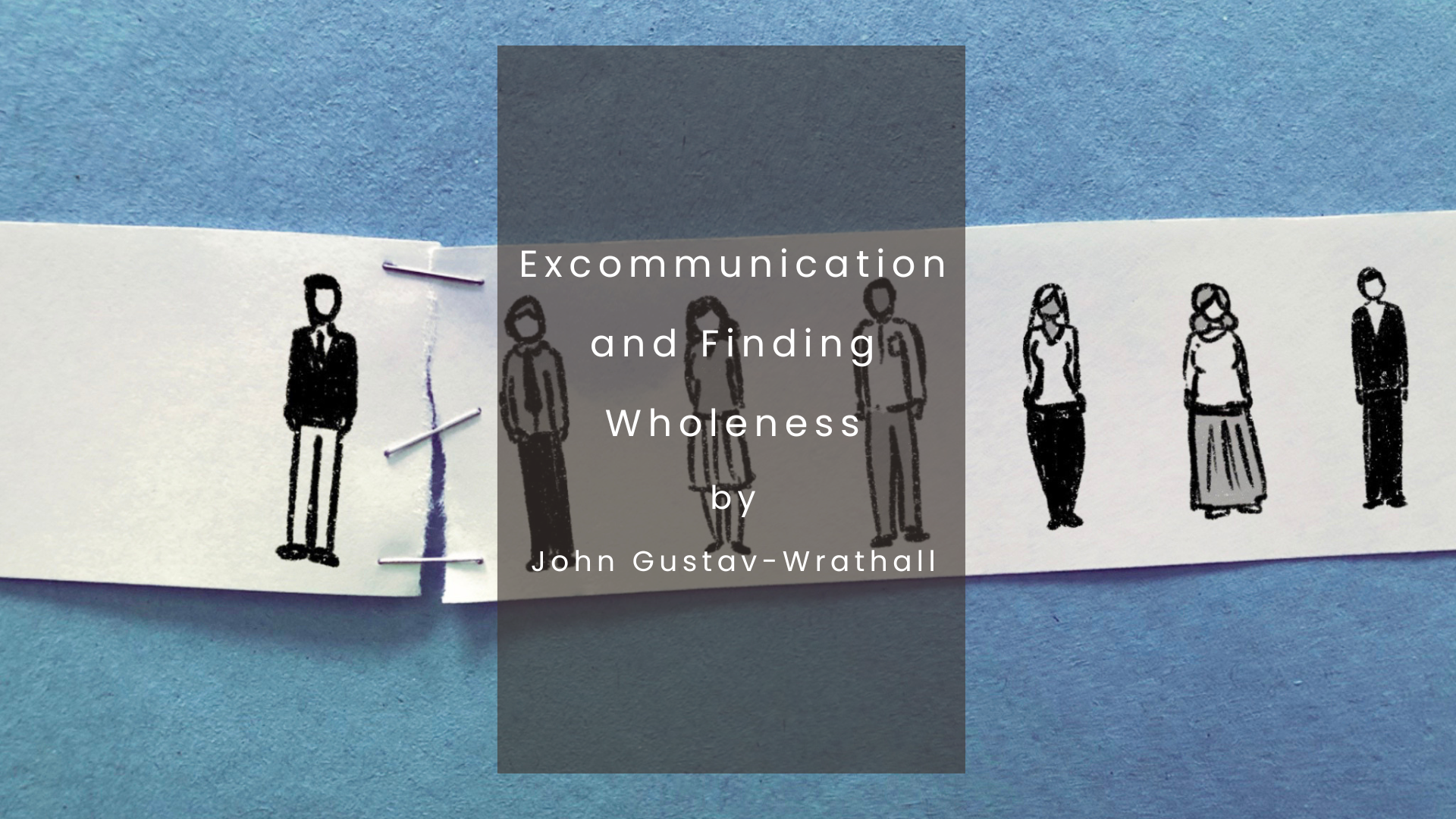
Five years after my excommunication, I met and entered into a relationship with the man who is my husband to this day. We became a couple in 1991; we held a public commitment ceremony in 1995, a time when same-sex marriage was legal nowhere in the United States; we purchased a home together in 1996; and we legally married in California in 2008. Regardless of how or why I was excommunicated in 1986, current Church policy is such that if I were a member, my bishop would have grounds for excommunicating me now, and I cannot currently be reinstated into membership.
My brain is slightly broken. The natural lows and highs of life are amplified by chemical imbalance into deep emotional troughs and crazed manic waves that can strike anytime and for any reason. I also experience what are called “mixed states,” where I feel both depression and mania simultaneously. My brain will be on fire, setting off a horse race of depressing ideas and emotions. The worst thoughts I’ve ever had about myself all gallop to get a nose ahead of the others.
Dialogue 54.1 (Spring 2021): 53–57
Some feel that “smashing the patriarchy” is the ultimate goal of what they define as “feminism.” That is not my opinion. Each of us—female and male—have power given us to serve and lead, speak out and nurture, preach doctrine, and clean the bathrooms in the ward building.
Dialogue 54.1 (Spring 2001): 29–68
Non-LGBT members of the Church tend to believe God is more involved and loving (non-judgmental) than LGBT members do.
Dialogue 54.1 (Spring 2021): 17–28
Huston argues that we should interpret that text in its historical context and glean from it new possibilities. Drawing on feminist interpretive strategies, Huston reads for the “theological trajectory,” rather than the plain meaning, to discern principles that might endure beyond a narrowly heterosexual nuclear family.
Dialogue 54.1 (Spring 2021): 1–16
Essentially, the debate becomes whether it is appropriate to apply the adjectives “gay,” “homosexual,” “transgender,” or similar terms to persons who lived before these terms had any meaning. Yale historian John Boswell freely used the term “gay” for medieval and ancient subjects who expressed a preference for same-sex romantic and sexual relationships, while recognizing it was a label impossible for them to apply to themselves, “making the question anachronistic and to some extent unanswerable.”