After the Wind
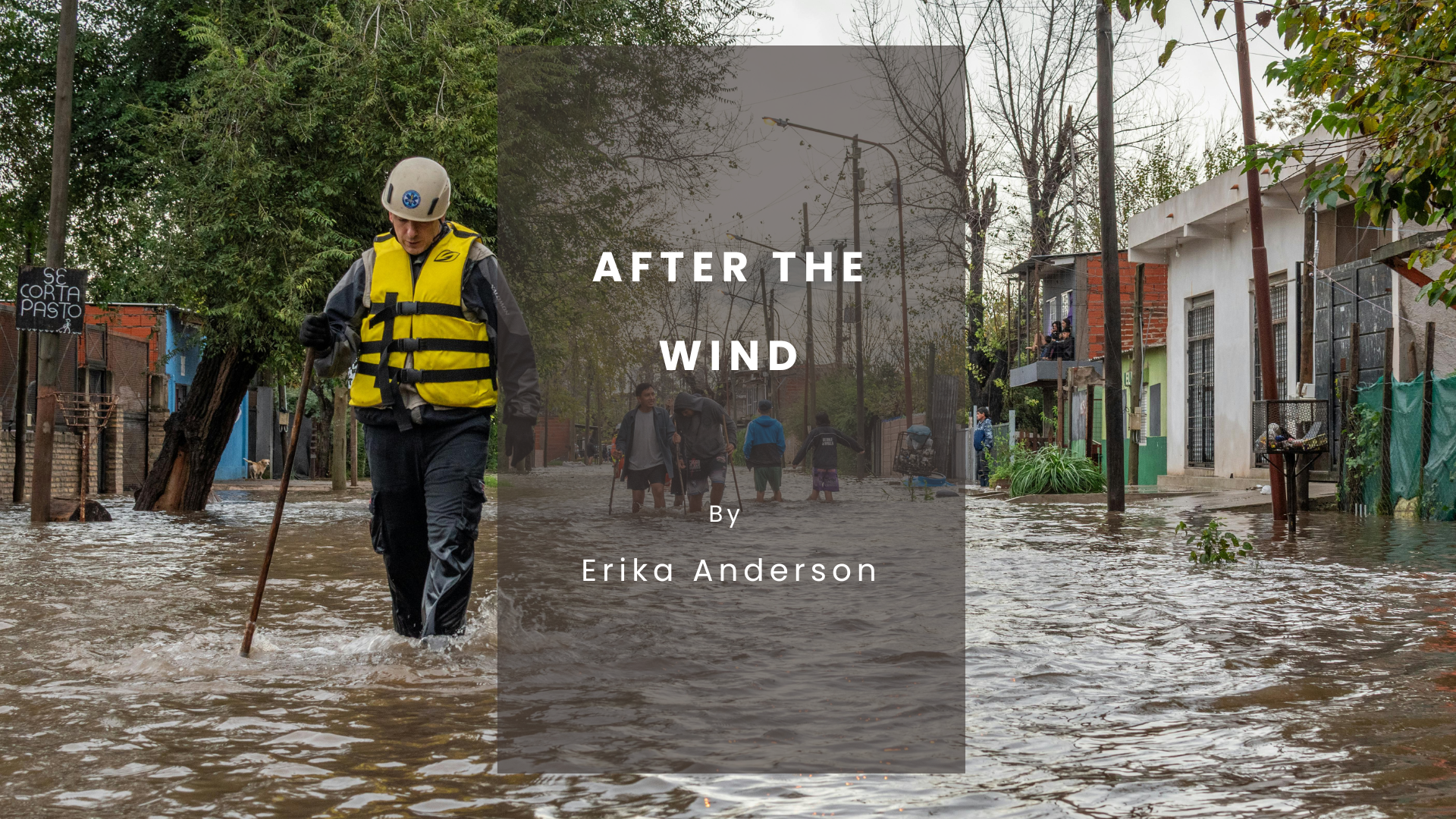
March 13, 2018God was not in the wind
and not in the earthquake.
God was not in the fire,
nor in the heavy rain
when levees breached as easily as living room walls.


God was not in the wind
and not in the earthquake.
God was not in the fire,
nor in the heavy rain
when levees breached as easily as living room walls.
Musky as the cedar drawer
in Grandma’s standing metal trunk,
a genie scent, improbable and
distant as the sound of hooves on sand

You do not have to do it again
any of it. Only if you care to.
You do not have to hold onto being anyone, anywhere.
Enough is more than plenty.

My brother died recently from complications after back surgery and a life of addiction. He was forty-nine. His death was hard enough, but the ensuing drama with my mother and sister—the last of my immediate family—widened the rift between us so much that I felt as if I’d lost them all.
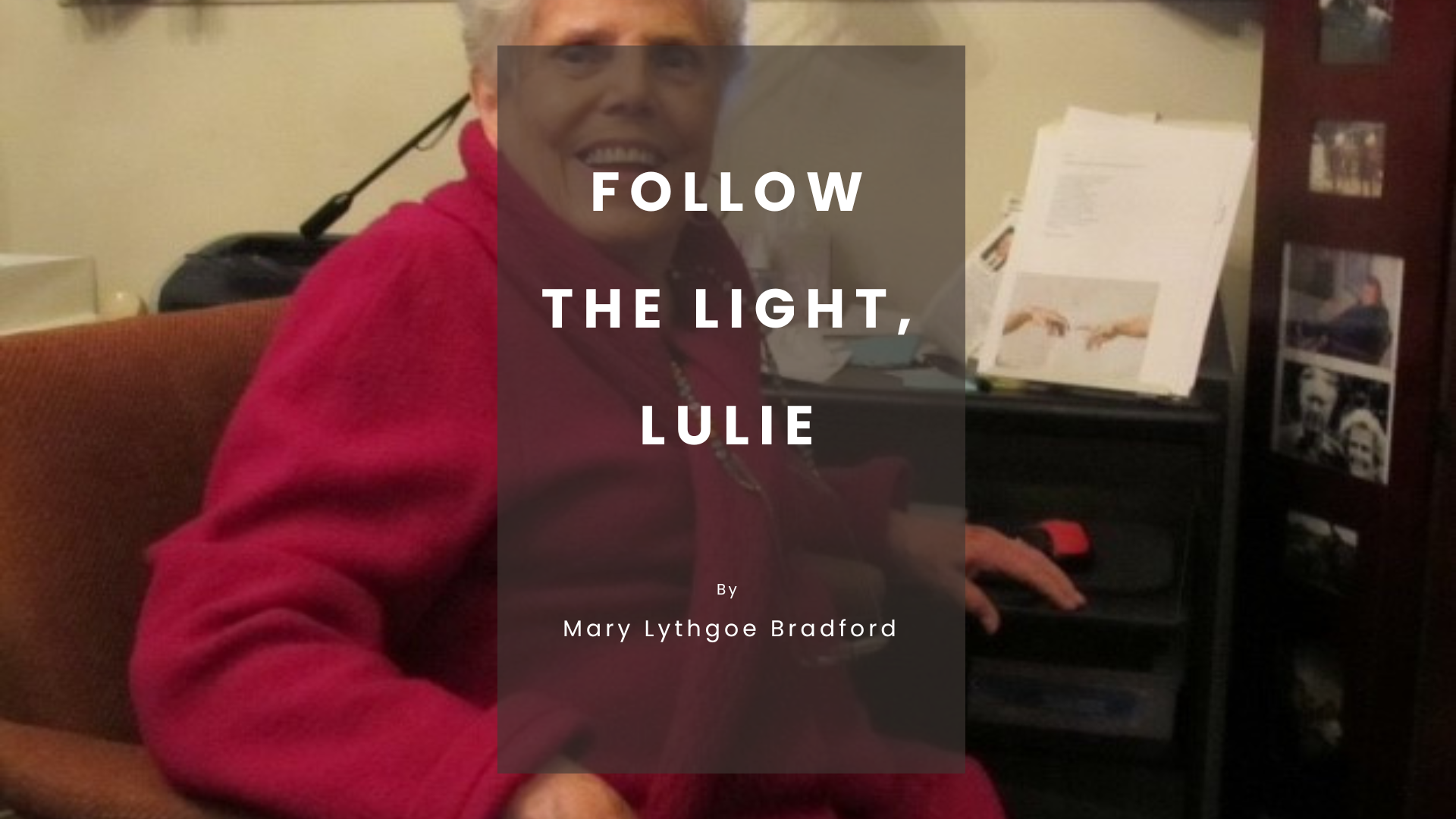
Emma Lou Thayne may have been the most expansive person I have ever met. She managed to transform every event in her life into grist for her creative mill. Accidents and illnesses that would fell a normal person formed the sculpture that was her finest work of art—her own life. She once said: “I may never be a sculptor. But in my own realms of endeavor with my own limited abilities and training—and ridiculously wide-ranging inclinations—I know this: If I focus, let go and wait, holiness will visit. The muse will whisper, the thought will arrive.”She understood that her ability to focus was the secret of many of her amazing contributions.
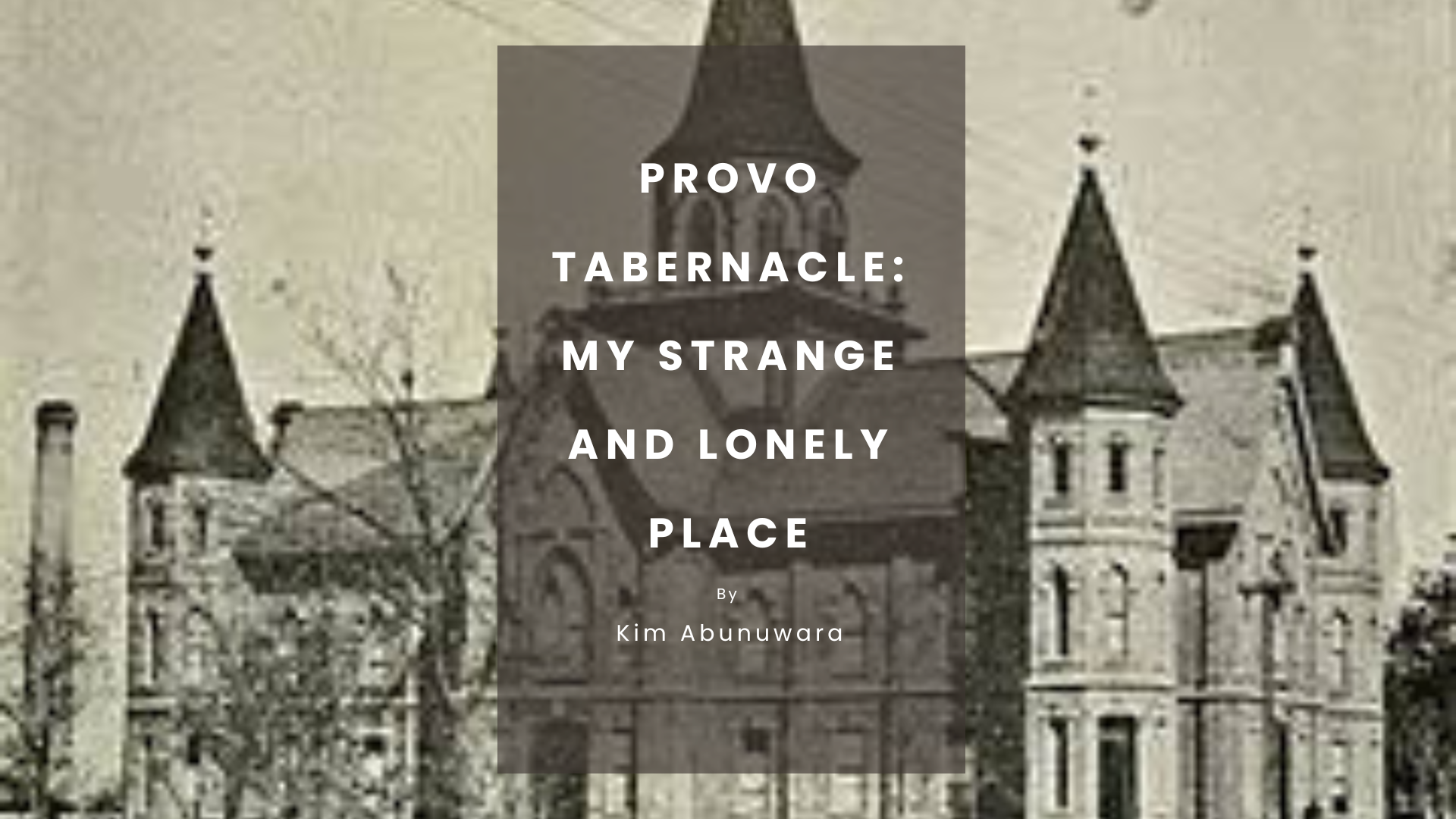
My grandmother knew where people went when they died. I feel less certain, though my continual return to her faith is a necessary part of me, and the humility at the core of Christianity argues for a return. The recent fire, destruction, and transformation of the Provo Tabernacle as a temple have been both a personal allegory as well as a symbol for the growing LDS Church. For this Provo girl, the tabernacle is a historic and paradoxical representation of the tension that exists between the past and the present, between orthodoxy and belief.
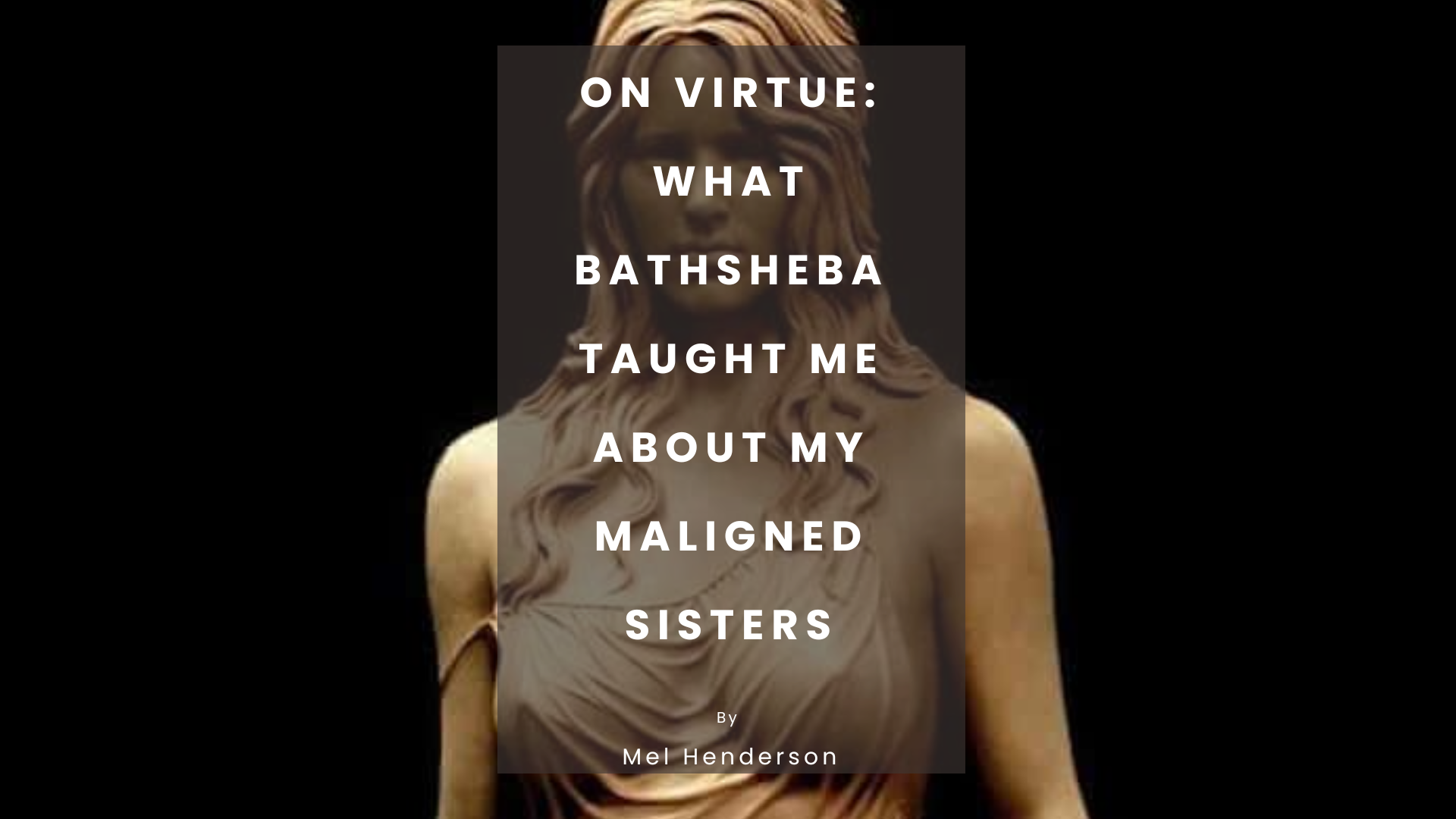
It is early evening in ancient Jerusalem, and a beautiful young Jewish woman, recently wed, carries a small bundle of clean clothing and a linen towel. Her sandals pad against the limestone pathway that borders the synagogue. She is on her way to the community mikvah, a font-like, open-air, recessed pool designed for ritual bathing, where a few other women may or may not already be waiting their turn. This is a devotion the women of her faith observe once a month, seven days after their menstrual cycle ends, in order to be “purified from [their] uncleanness,” to use the words from 2 Samuel, chapter 11. While the mikvah is enclosed for the privacy and protection of the women, it’s still possible for someone with a particular vantage point—say, someone on the roof of the king’s palace, perhaps—to illicitly watch a woman complete her ritual, to watch her disrobe and completely immerse herself in the sanctified waters of the mikvah before she emerges to dress herself in fresh clothing. Thus, according to her obedience to the law, the young wife Bathsheba is restored to purity.
Dialogue 48.2 (Summer 2015): 1–57
Although race and gender are connected in 2 Nephi 26:33, the historical origins of the gender ban have not yet been addressed with the same degree of attention in Church discourse.

It is a privilege to speak to you today as your bishop, but also a responsibility that deeply humbles me. I pray that the Spirit will be with me.
First, let me address one of the most important groups in our congregation today—the Primary children. This meeting is going to be a little longer than normal, so all of you in the Primary please feel free to stand up and shake your arms for a few seconds.
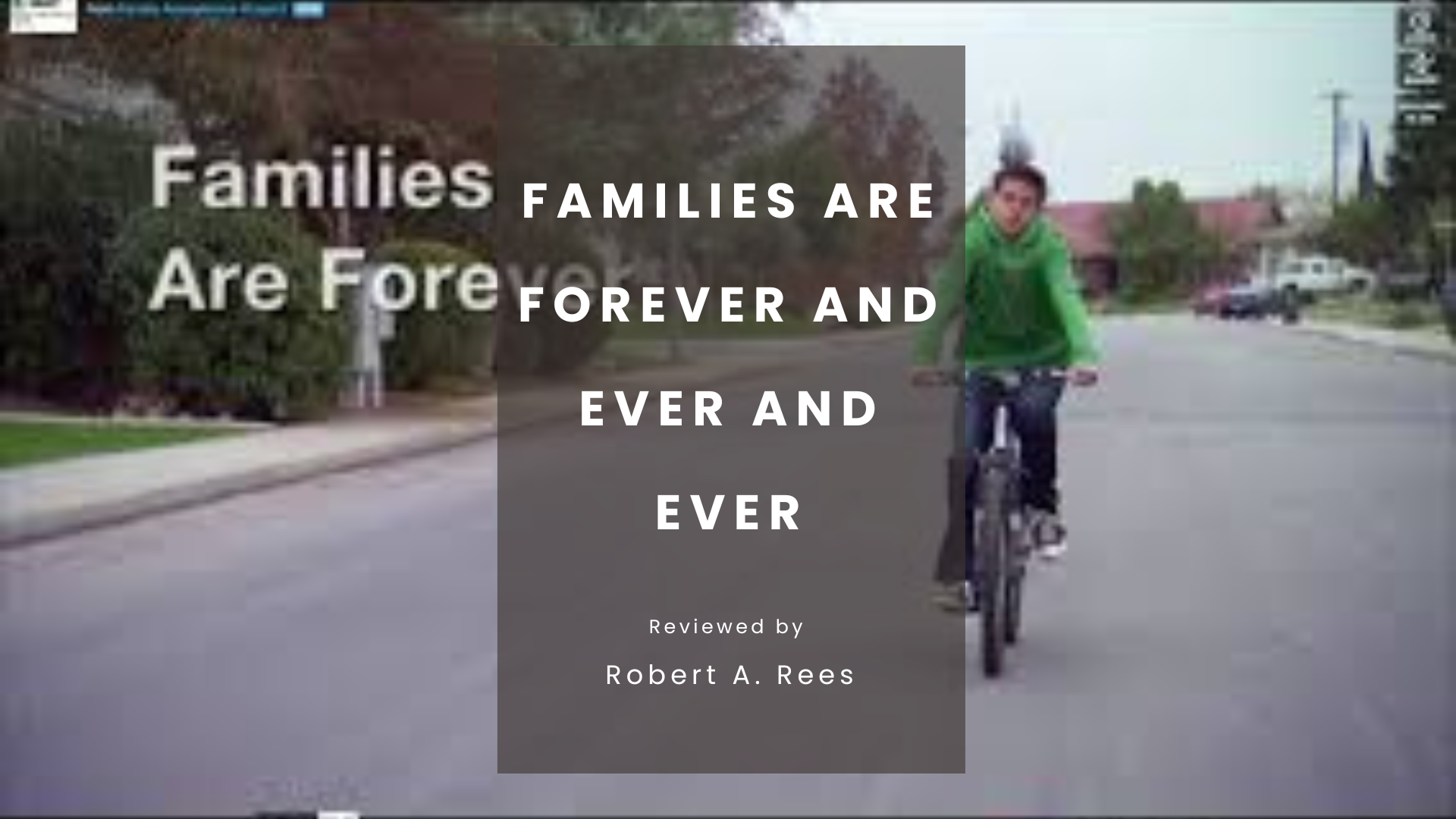
Families Are Forever is a short film about a Latter-day Saint family, the Montgomerys, living in central California who have a gay son who came of age during Proposition 8, the California initiative to affirm the definition of marriage as being between one woman and one man. Explaining their active involvement in supporting the initiative, the mother, Wendy, says, “If the Church asks you to do something, you do it.” Her son Jordan, whose homosexuality was unknown to his parents at the time, overheard them talking about the “disgusting” and “horrible” people who opposed Prop 8.