Brattle Street Elegy: So Glad, So Sad . . .
March 17, 2018I was baptized in that church. I was a member of the University and Longfellow Park I wards. This is such sad news. I am glad to hear everyone is okay. I am sad to…


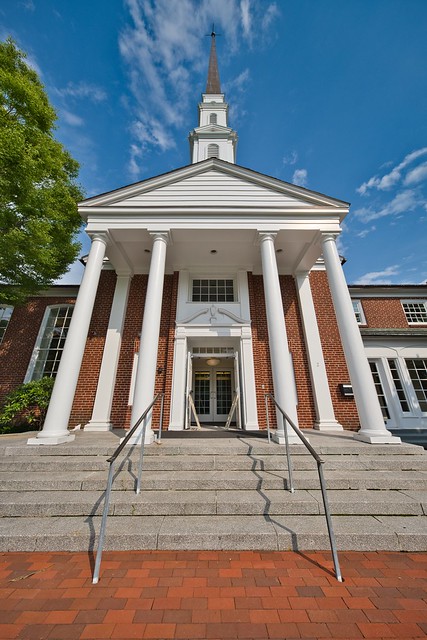
I was baptized in that church. I was a member of the University and Longfellow Park I wards. This is such sad news. I am glad to hear everyone is okay. I am sad to…
My mother sent me the link to this blog site and she has posted here as well. Linda Hoffman Kimball and Chris Kimball met in the Longfellow Park building that fell yesterday. I am the…
I remember attending many events in the Cambridge Chapel during my time as a counselor in a bishopric back in the 1960s. This was when Boyd K. Packer was the mission president. He gave us…
I first visited Longfellow Park in 1994 when I was investigating colleges, and I immediately fell in love . . . in love with the architectural symbolism of the building, like the tiered, round window…
We drove by the church on the way home today and saw the huge water streams going into the building. The damage will be extensive. I am resolved to work hard to make sure that, when they rebuild on that spot, they go outside the approved architectural plans of the Church to respect the history and the love of that place.
I first arrived in late August 1990. Two weeks earlier, I had undergone a conversion experience that had jolted me from world weary agnosticism to a fervent belief in God and the Restoration. Simultaneously I…

Don B. Allen, Wonderful Personal Voice
I consider myself an evangelical Christian of the liberal sort, but I have many evangelical Christian relatives, friends, and students who are extremely conservative. Despite mutual respect, it appears that I have little in common with them theologically. My outlook on life and faith leaves me feeling dismayed by what strikes me as their doctrinal and moral rigidity, appalled by their dismissal of the wisdom of other religions, and a little frightened by their willingness to vest absolute authority in an allegedly plain reading of the Bible.
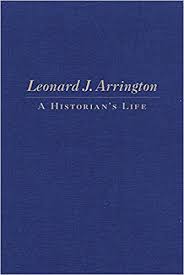
It is difficult not to like Leonard Arrington. By all accounts, he was an exceptionally generous and decent man. His Great Basin Kingdom was a kind of Big Bang of Mormon historiography, doing more than any other volume to create the New Mormon History. In addition, Arrington was an enormously productive researcher and scholarly entrepreneur, churning out articles and monographs at a prodigious rate and helping to found such institutions as the Mormon History Association and the Journal of Mormon History.
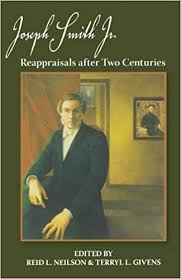
First, a confession and a little context. I am not a scholar of Mormonism, just a Mormon who is also a scholar (of medieval mysticism, it so happens). I am interested in but mostly unfamiliar with the growing body of Joseph Smith scholarship. As a result, I am unable to reference that tradition in this review or to argue how these essays augment or contrast with other work, although it is worth noting that the essays themselves do a fine job of that. Rather, my role, as I see it, is to respond to these essays both as an educated non-specialist and, perhaps most importantly, as a member of the Church who seeks “greater knowledge” (Abr. 1:2) regarding our founding prophet. This collection is a compelling read on both fronts, and I expect to recommend it to my colleagues in religious studies and history and to friends and family in and out of the Church.