DiaBLOGue

“A Climate Far and Fair”: Ecumenism and Abiding Faith

Two analogies occurred to me as I developed this essay—first, that of a dialectical assertion with its thesis, antithesis, and subsequent synthesis. The second analogy, more visual, is of a triptych, with two opposing side panels and finally a central one—an attempt to integrate and reconcile the other two. Hence, the essay’s three divisions. It is less an argument than a plea. Its reconciliations depend upon the reader’s willingness to make the shifts in perspective necessary to see, in the same moment, the opposing panels and the emergent synthesis of the center. 
A Year of Dialogue: Thinking Myself into Mormonism

The Green Library stacks are a study in contradictions.

Outside lies Stanford grandeur—three-story stucco architecture spread across multiple thousands of acres, perfectly manicured lawns and plant arrangements, arches, gates, fountains. The rest of Green Library shares that aura: airy rotundas with marble floors and booming ceilings, elegantly decorated study lounges with comfortable, oversized couches, crisp clean top-of-the-line Apple G5 computers, luxurious carpeting, and well-lit lines of bookshelves holding knowledge in tens of different languages.

Belonging (and Believing) as LDS Scholars of Religion

More than half a century ago, sociologist Thomas O’Dea said the following about the university student who is a Latter-day Saint: “He has been taught by the Mormon faith to seek knowledge and to value it; yet it is precisely this course, so acceptable to and so honored by his religion, that is bound to bring religious crisis to him and profound danger to his religious belief. The college undergraduate curriculum becomes the first line of danger to Mormonism in its encounter with modern learning.” 

Toward a Theology of Dissent: An Ecclesiological Interpretation

My goal here is twofold. First, I want to demonstrate that current notions about dissent in the Church—whether it is good or bad—are inadequate because the language available for talking about dissent is insufficient. Both dissenters and their critics oversimplify and improperly conflate categories, which leads to a great deal of suspicion and mistrust on all sides because we can’t communicate effectively with each other. This deficiency is not particularly anyone’s fault; rather, it indicates that we need a better concept of what dissent is, so that we can talk about it in more subtle ways. 

“That Which Surpasses All Understanding”: The Limitations of Human Thought

I remember those verses striking a powerful chord within me when I read them on a bright autumn day in 1980. I was then in the first few months of my LDS mission in central Virginia. But reading those words took my mind and emotions back to the desert mountains of western Utah earlier that year. A friend and I had taken a quick camping trip to collect fossils in that remote area; and something in the desert sun, the bare exposure of earth, and the surrounding evidence of unimaginably ancient life produced a feeling so strong that I recognized it immediately when I later stumbled on that passage of scripture. I couldn’t then put my finger on the exact meaning of the emotion—something about the smallness of our place in the universe and our inability to understand it all. It was as powerful as any religious feeling I had ever had, and its duplication at reading the opening of Ecclesiastes nearly brought me to tears. I read the remainder of the book eagerly, naively hoping to find its resolution. 

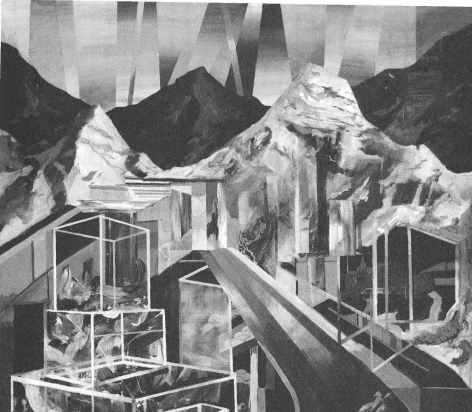
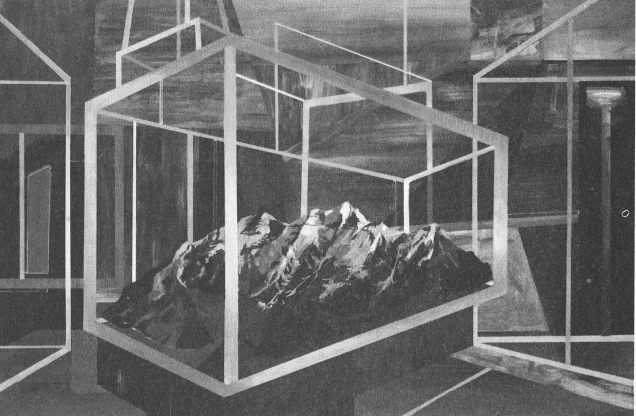
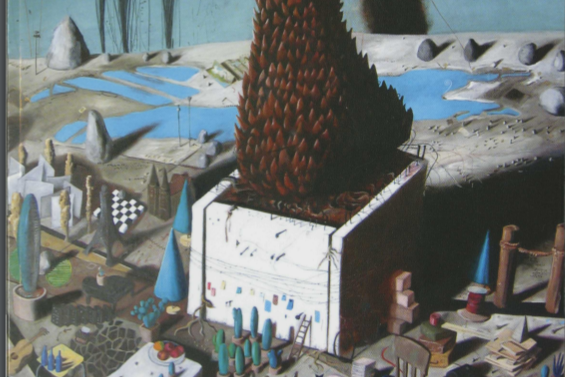
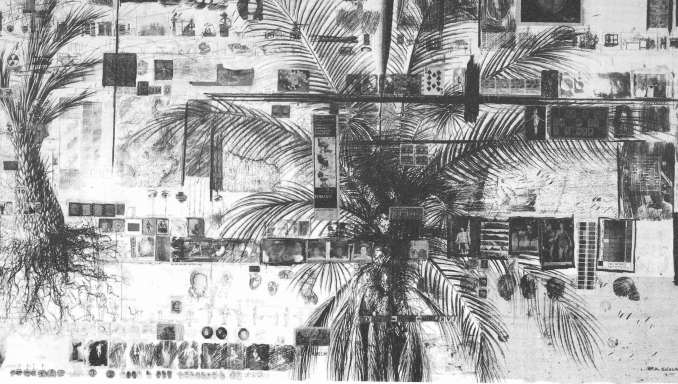
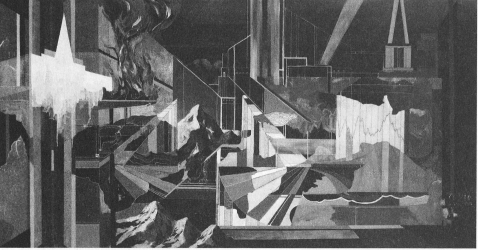
About the Artist: Mark England

In my earlier drawings I focused on line and the wealth of information it could convey. Now I am working through the challenges of color and value in the context of issues I have continued…

Reaping Where We Have Not Sown

Moments after hearing the bishop’s voice ask if I could speak on the importance of developing talents, another voice spoke the phrase “you reap where you do not sow” into my awareness. As we all know, these words come from the parable of the talents. The phrase is part of the address of the last slave to give account of his dealings to his master. He says: “Master, I knew you were a harsh man, reaping where you did not sow, and gathering where you did not scatter seed. So I was afraid and I went and hid your talent in the ground.

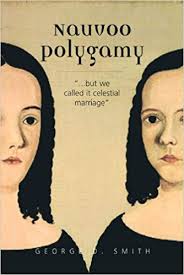
Nauvoo Polygamy: The Latest Word | George D. Smith, Nauvoo Polygamy: “…but we called it celestial marriage.”

In 1994, businessman and Mormon history researcher George D. Smith wrote “Nauvoo Roots of Mormon Polygamy, 1841-46: A Preliminary Demographic Report” (Dialogue 27, no. 1 [Spring 1994]: 1-72), which contained groundbreaking research on 153 men and hundreds more women who were involved with plural marriage in Nauvoo. Recently, his long-awaited follow-up to that article, a 705-page book, has been printed by Signature Books, of which Smith is the publisher. In September 2009, the John Whitmer Historical Association awarded it Best Book of the Year. 

Body and Blood

It’s six o’clock, time for dinner and Little House on the Prairie reruns. I walk up the stairs as my mom is pulling some string beans out of the microwave. She asks me if I’ll…