In a Better Country
March 19, 2018But now they desire a better country, that is, an heavenly home . . . Heb. 11:16 “You don’t have to go,” she whispered, the morning grogginess in her voice betraying an urgency that was…


But now they desire a better country, that is, an heavenly home . . . Heb. 11:16 “You don’t have to go,” she whispered, the morning grogginess in her voice betraying an urgency that was…
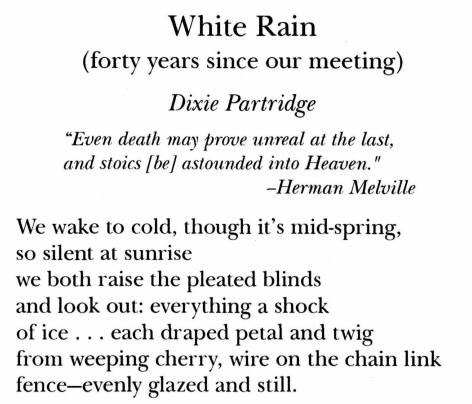
We wake to cold, though it’s mid-spring,
so silent at sunrise
we both raise the pleated blinds
and look out: everything a shock
of ice . . . each draped petal and twig
from weeping cherry, wire on the chain link
fence—evenly glazed and still.
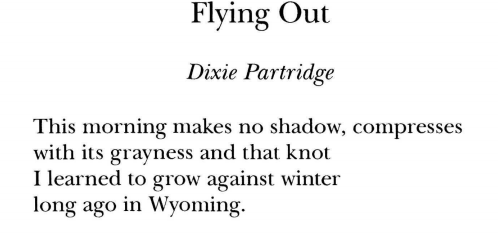
This morning makes no shadow, compresses
with its grayness and that knot
I learned to grow against winter
long ago in Wyoming.
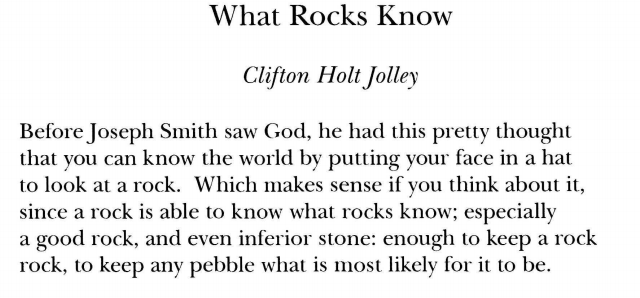
Before Joseph Smith saw God, he had this pretty thought
that you can know the world by putting your face in a hat
to look at a rock. Which makes sense if you think about it,
since a rock is able to know what rocks know; especially
a good rock, and even inferior stone: enough to keep a rock
rock, to keep any pebble what is most likely for it to be.
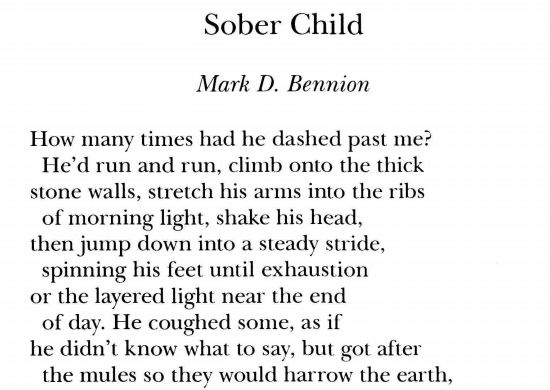
How many times had he dashed past me?
He’d run and run, climb onto the thick
stone walls, stretch his arms into the ribs
of morning light, shake his head,
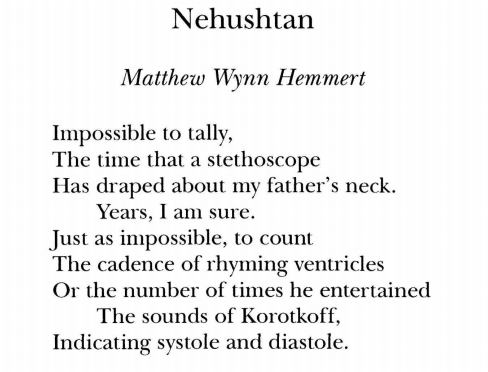
Impossible to tally,
The time that a stethoscope
Has draped about my father’s neck.
Years, I am sure.
At nineteen, a Mormon missionary in Brazil, I felt foreign in every part, torn from language. “Boy, it’s cold out,” I’d quip to the natives. “No, Elder, hot” they’d say. “The word is hot.” At…
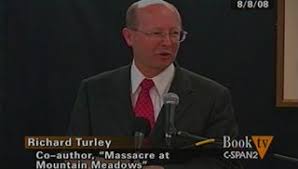
The publication of Massacre at Mountain Meadows (New York: Oxford University Press, 2008) by Glen M. Leonard, Richard E. Turley Jr., and Ronald W. Walker, a history of Mormonism’s darkest hour, is itself a history-making event. A scholarly discussion of their book and its significance in Mormon and Western studies was held at the Salt Lake Public Library on September 5, 2008, sponsored by the Charles Redd Center for Western History at Brigham Young University, the Mormon History Association, the Tanner Humanities Center at the University of Utah, the Tanner Center for Non-Violent Human Rights also at the University of Utah, and the Salt Lake City Public Library.
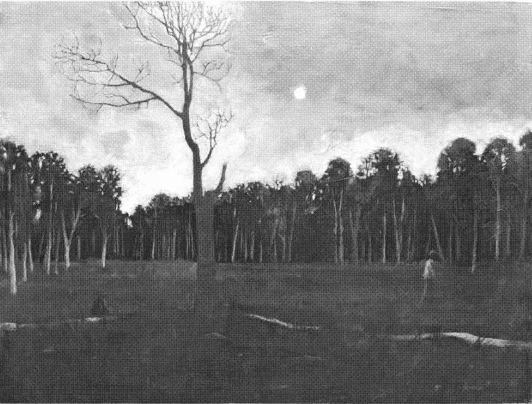
Establishing legitimacy is a fundamental process that is basic to social organization. All organizations intending to grow or continue to exist require widespread acceptance and some degree of congruence with the surrounding culture. In the months following the raid on the Fundamentalist Church of Jesus Christ of Latter Day Saints’ (FLDS) ranch in Texas, the Church of Jesus Christ of Latter-day Saints (LDS) began an initiative to distinguish itself from the many polygamous groups that have branched out of the Mormon trunk over the years.
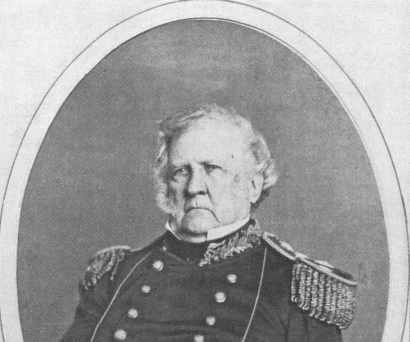
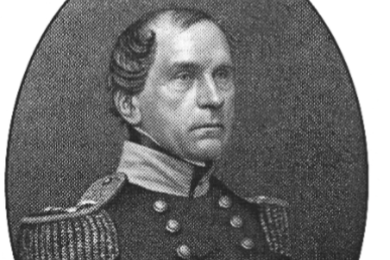
Many Utahns may call the Utah War of 1857-58 “Johnston’s Army,” but the U.S. Army and most historians surely do not. It seems to me that this shorthand label for the war trivializes, personalizes, and localizes it, much as the term “Seward’s Folly” was used to deride the secretary of state’s 1867 push to purchase Alaska. By focusing on Colonel Albert Sidney Johnston—or at least on his name—this label’s users have, in effect, taken his Utah War leadership for granted.” They should not . . .