DiaBLOGue

More Musings on Motherhood

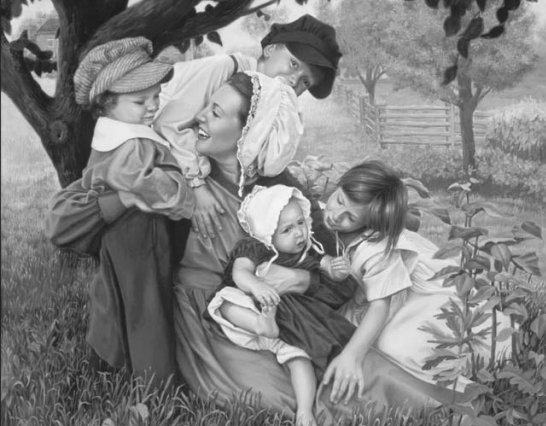
I was unprepared when my daughters became teenagers. In fact, I was blindsided by this phase of life. I never claimed to have native talent in mothering; but after years of study and practice, I thought I had gotten the hang of it a little. I have been proven sadly mistaken. 

As I expressed in my first essay on motherhood, written more than a decade ago, I found motherhood both exhilarating and overwhelming; but I never doubted that I would be a mother. As a good Mormon girl, I always had marriage and motherhood as my ultimate objectives. Even though I was also a returned missionary with a graduate degree, my life was not complete until I had children.
Once upon July

At home it was hot . . . days and days above a hundred. I could imagine the leaves of summer wilting in the afternoon heat. But that was so far away on the other side of the equator. 

Here it was cold. Although it was July, I had on my parka and a sweater as I walked down a rough, cobble-stoned street shaded by two-story, pastel-colored adobe walls. I listened to the sibilant clipping of Bolivian Spanish and the soft guttural rattle of Aymara as people negotiated prices and shared gossip in the small stores whose light rushed out, like warmth, into the narrow street.

Trial of Faith

On a recent visit to Utah, I was excited to attend church with my parents at their LDS ward. Regular attendance at my own ward in Minneapolis has become an important part of my life. But perhaps because of the unique role of family-centered piety in Mormonism, I always find special comfort in attending church with my parents. Furthermore, because of my many years of alienation from the LDS Church, my parents find it deeply gratifying that for the first time in twenty years, I want to go with them. Atten dance at church as a family is perhaps an affirmation of the bonds we hope will endure between us in the eternities. 

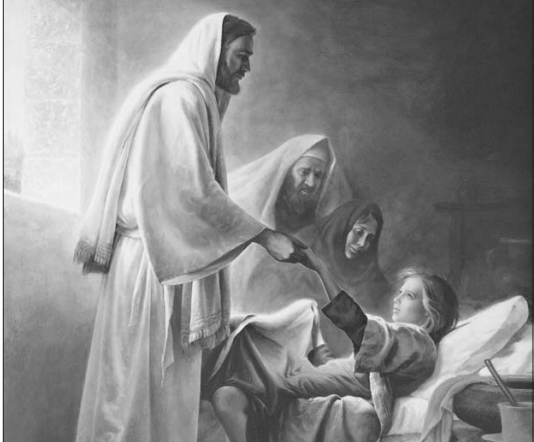
Making the Absent Visible: The Real, Ideal, and the Abstract in Mormon Art

In April 1993, President Bill Clinton, Elie Wiesel, international dignitaries, and Holocaust survivors celebrated the opening of the United States Holocaust Memorial Museum. Initiated by President Jimmy Carter in 1978, the monument is one of the most expensive additions to the federal museum system. Its mission, described by the museum’s project director Michael Berenbaum, is to “memorialize the victims of Nazism by providing an exhaustive historical narrative of the Holocaust and to present visitors with an object lesson in the ethical ideals of American political culture by presenting the negation of those ideals.”

Letters to the Editor

Steven Orton, Remembering Dialogue
Gary Hernandez, Thoughts on Dialogue
Michael E. McDonald, Scriptural Cosmology
Lane Twitchell, An Artist Declares His Independence
D. Michael Quinn, Filling Gaps and Responding to “Silences in Mormon History”

About the Artist: Allan West

The American-born Allan West has become widely respected for his pursuit of a traditional form in Japan. Raised in Washington, D.C., Allan served in the Okayama Japan mission during the early 1980s. In 1987, he…

Frau Rüster and the Cure for Cognitive Dissonance

When Elder Callister and I leaned our bikes against the fence at Hermann-Löns-Straße 9 and walked to the door, I had no idea that what was about to transpire would shape and anchor my soul…

Depression and the Brethren of the Priesthood

During the last few years, I have come to feel that, if I were in charge of Church jargon, we would get rid of the words blessings, rewards, punishments, and tests. In place of those words, we would begin using “lessons to be learned.” I have also come to believe that some venue, or arena, or, at least, some safe place should be available where members could voice their concerns—without guilt—about their distresses, their disappointments, and their frustrations at what is going on in their lives.