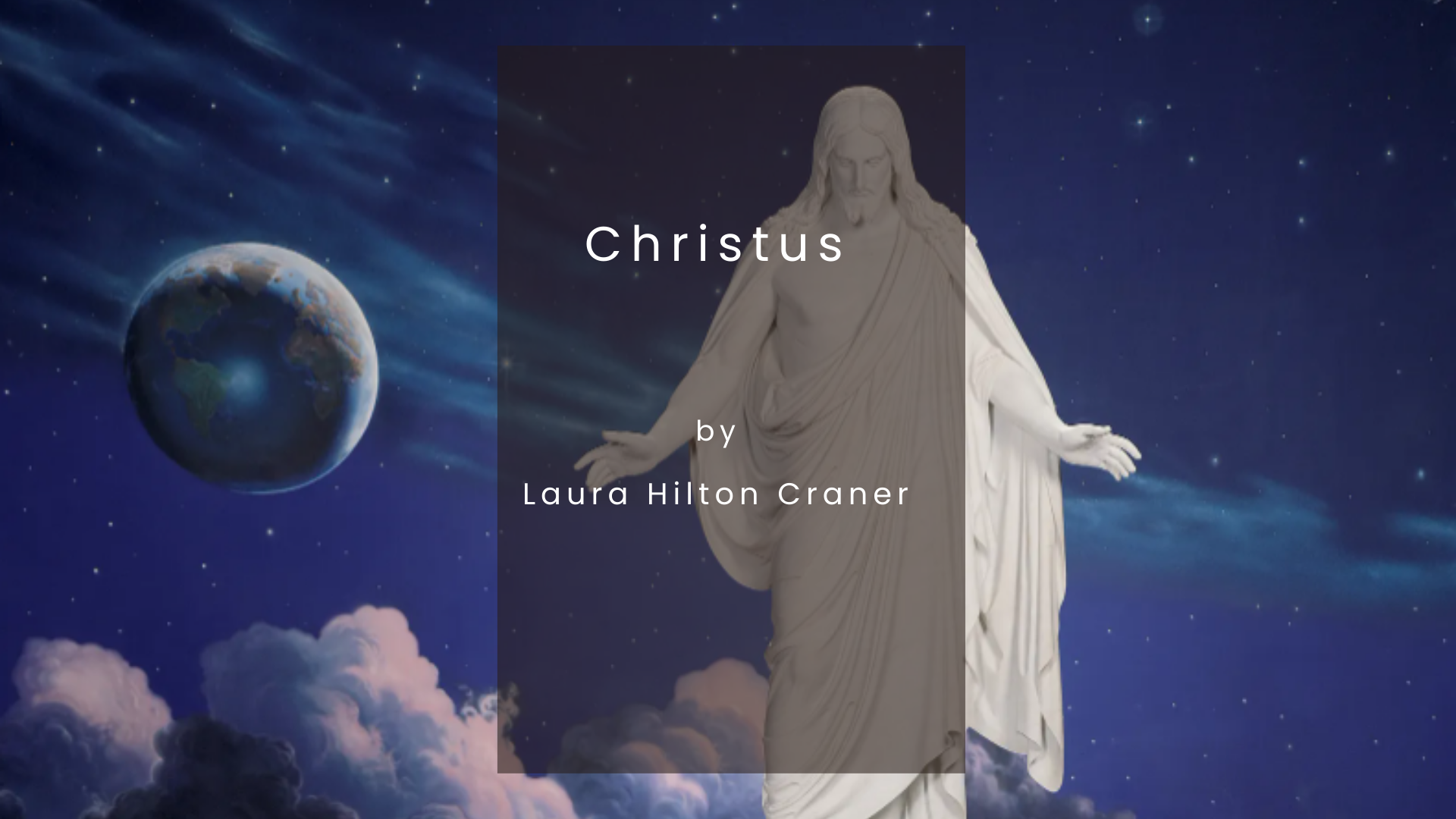
Christus
October 26, 2018As a child first, the ramp was
forever. Walking, counting stars, planetgazing,
still walking; music playing, missionaries talking.
Your feet, eye-level, substantial and white, perfect


As a child first, the ramp was
forever. Walking, counting stars, planetgazing,
still walking; music playing, missionaries talking.
Your feet, eye-level, substantial and white, perfect
The sentence of mortality ends with a period.
Dehydration rolled into one round sound: old.
If I slake my thirst, I prod my prostate to rebel.
If I desire to sin I send my soul reeling to the
Imagine a world with labels on the leaves,
fossilized scripture in compacted dust,
“God Made” on hooves—where everyone believes
not out of hope or faith, but because they must.
Mom remarried and moved out just after I turned six. To move is to
choose (which none of us wanted to do), as remarry is to wary, or to
worry. Like what I did the first night my brother and I stayed at Mom’s
new house. Dad was alone. All alone. Burn. Reburn. So Mom drove me
There are no streetlights where my cottage hides
within a forest. Nights there grant a cold
permission to the stars who drag along
their lazy arc. Away from manmade glare,
whatever I say I keep alive
keeping you you near
me to the point of me
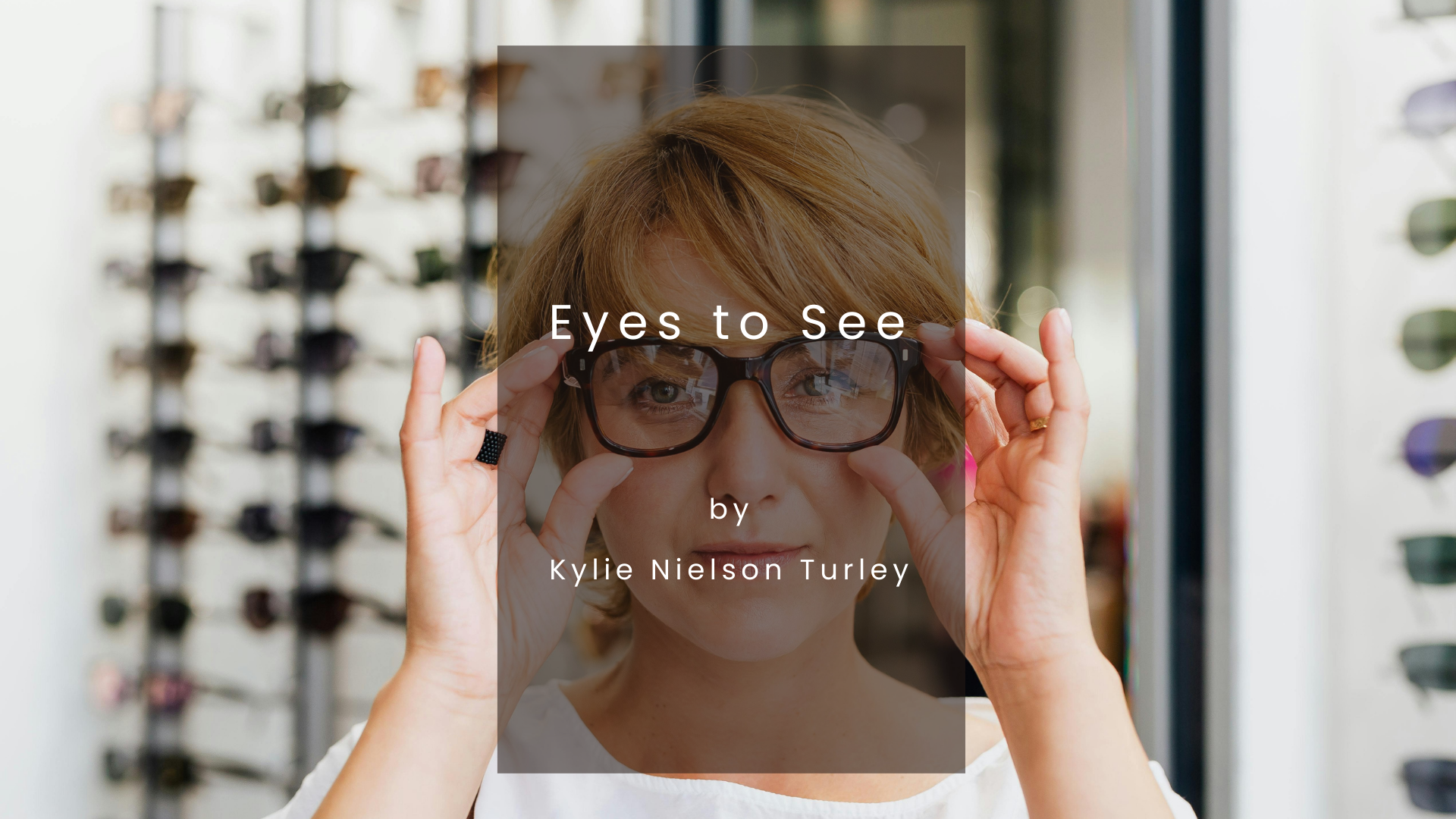
My first pair of glasses had green plastic rims and Coke-bottle thick, anti-glare-coated lenses, which reflected green light. In every fourth grade photo, my eyes hid behind a glint of green flashing fire, but I did not care because when I slid the glasses on in the doctor’s office, the blurry rack of “For Sale” frames suddenly snapped into distinct lines and angles. I slipped the glasses off, then on again—watching the frames become blurry, then crisp again. Yet even knowing about the stunning change, I jerked to a stop outside the doctor’s office door, my mom and the trail of siblings piling up behind me. I stared at the trees across the street. Angular leaves fluttered in the breeze, avocado undersides distinct from their forest green tops.
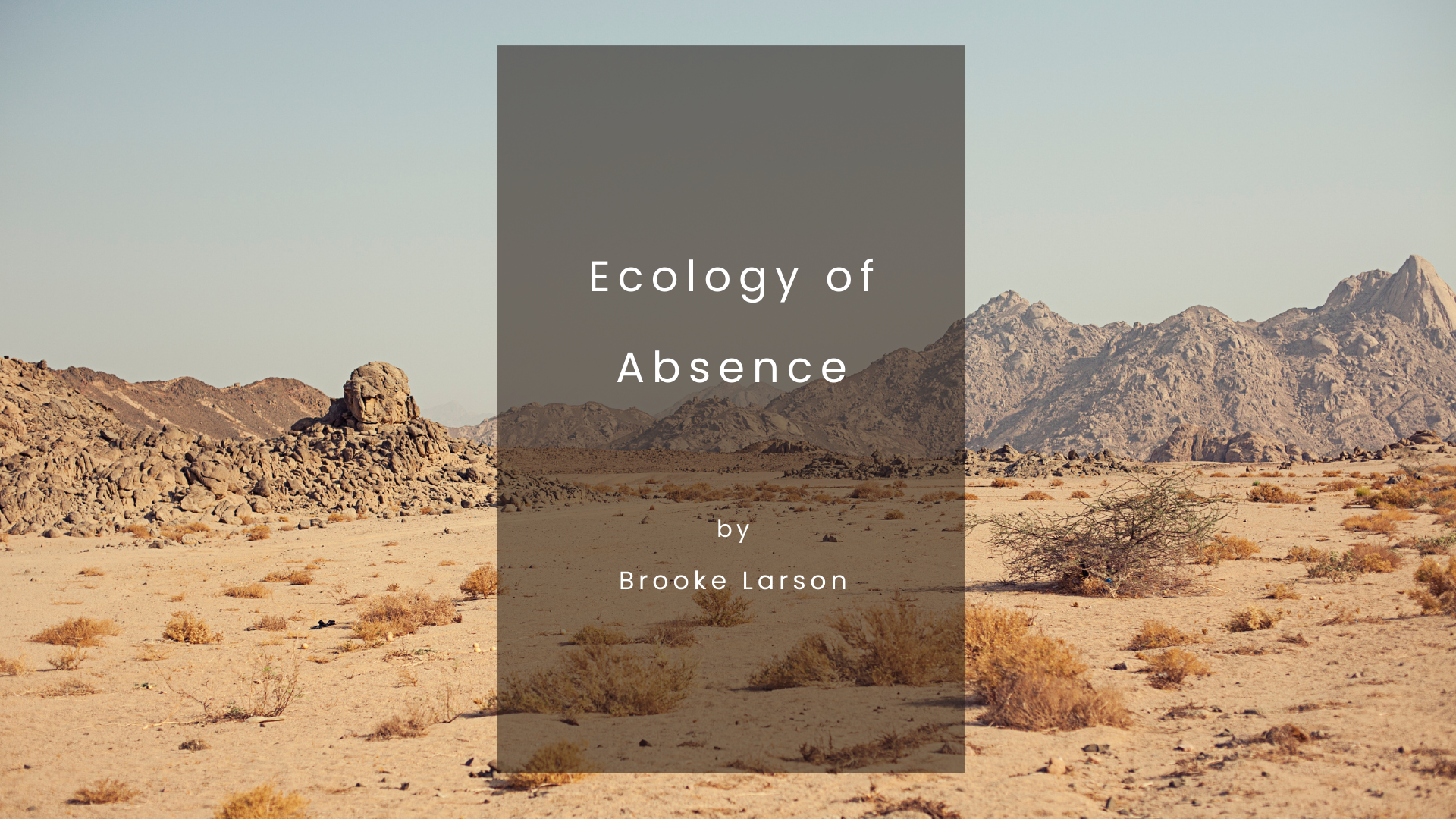
For starters, the desert is not empty. Things grow in ways you could not dream up. In the Arizona desert, where I was dropped off as a pain-in-the ass teen, there are ocotillo and prickly…
in counter-sense
the eye hunts out
more than what it holds
On November 9, 2016, I remained in bed all day. The previous evening— what F. Scott Fitzgerald might have referred to as the “real dark night of the soul”—I had broken all the speed limits…