DiaBLOGue

Reimagining the Restoration: Why Liberalism is the Ultimate Flowering of Mormonism

Tonight I want to challenge some of the conventional axioms of Mormon religion and culture and to propose a more progressive Mormonism. Let me begin, however, with a tribute to my dear friend Eugene England. In the introduction to the festschrift I edited in his honor titled Proving Contraries (which is an apt summary of Gene’s life), I wrote, “Outside of some in the general Church leadership, perhaps no Latter-day Saint of our generation enjoyed such wide and deep affection and respect as Gene did.”I imagine that when some scholar writes the history of modern Mor monism Gene will be seen as one of our most enlightened and influential teacher/scholars. My hope is that what I have to say tonight illuminates some of the ideas that animated his discipleship and exemplifies some of the virtues that governed his life. It has been an enormous loss these past fourteen years to have been deprived of his intellect and spirit. Gene had a good heart. Like most liberals, it was a little to the left.

Mexicans, Tourism, and Book of Mormon Geography

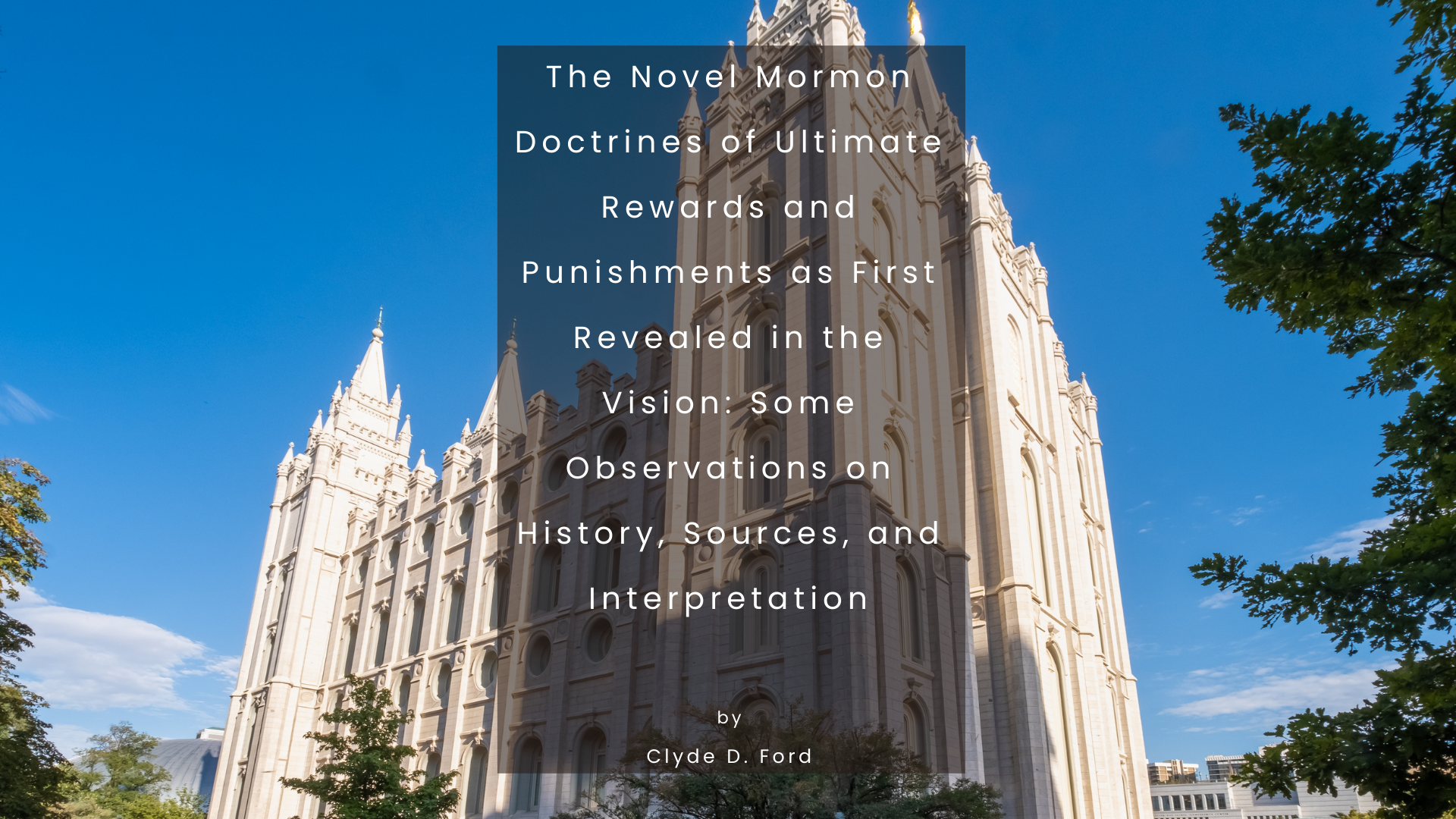
Dialogue 50.2 (Summer 2017):55–88
Maintaining a conviction of the truthfulness of the Book of Mormon
is no easy task in the era of DNA studies, archaeological excavations, and
aggressive attacks by evangelical Protestants. Latter-day Saints cultivate
commitment to the veracity of the Book of Mormon in many different
ways.

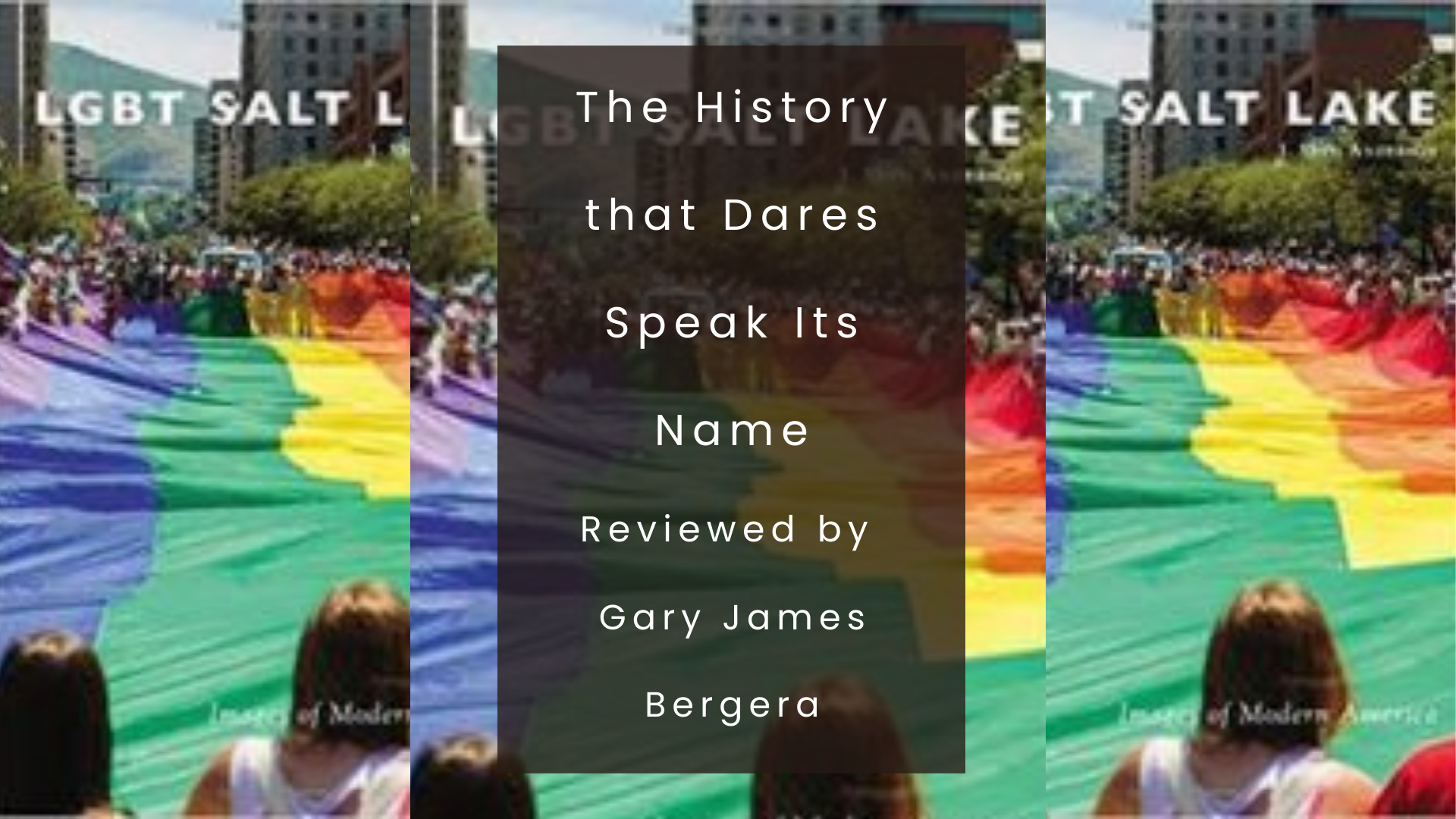
What Do We Know of God’s Will for His LGBT Children?: An Examination of the LDS Church’s Position on Homosexuality

Dialogue 50.2 (Summer 2017): 1–52

“What do We know of God’s Will for his LGBT Children?: An Examination of the LDS church’s position on homosexuality” divides it up into a “doctrinal, moral, and empirical perspective.” Cook’s goal is to understand, to encourage empathy, and to encourage people to see current teachings on homosexuality as incomplete. In this way, it has a lot in common with earlier pastoral approaches. The analysis here is strong, and this division is a version of other theological traditions of reasoning from scripture, tradition, reason, and experience. This essay asks some great questions and raises some pretty serious critiques about the problems with contemporary LDS teachings and practices. “The longer this change takes,” he writes, “the more we will lose gay people, their family members, their friends, and other sympathetic Church members, particularly younger people who do not see same-sex marriage as a threat to society or a sin against God.”

Editor’s Note

With this issue, Dialogue begins its sixth decade. To celebrate this milestone, we are pleased to present new work from three long-time friends. Frances Lee Menlove was a Dialogue founder and served as its first…

Art

How to Build a Paradox: Making the New Jerusalem

The text the bishop suggested for my remarks today comes from Doctrine and Covenants 45:66: “And it shall be called the New Jerusalem, a land of peace, a city of refuge, a place of safety for the saints of the Most High God.” This was a delicious topic for me to think about—the idea of a city on a hill, a heavenly city called Zion, is a subject that has occupied poets as often as it has prophets, and the vision of this city has inspired many of our loveliest hymns, which have been very pleasantly running through my head for weeks now. 

Stephen Webb: In Memoriam

When I heard the news that Stephen Webb had passed away on March 5, 2016, I mourned the loss.

Mothers, Daughters, Sisters, Wives: Ceaselessly into the Past | Karen Rosenbaum, Mothers, Daughters, Sisters, Wives

When reading Karen Rosenbaum’s short story collection Mothers, Daughters, Sisters, Wives, I kept thinking about the end of The Great Gatsby and Fitzgerald’s haunting conclusion: “So we beat on, boats against the current, borne back ceaselessly into the past.”So it is with the women who populate Rosenbaum’s fourteen stories in this collection. The past defines them, breathes always within them.