Eight Visions of the First
October 25, 2018Dialogue 49.3 (Fall 2016): 151–155
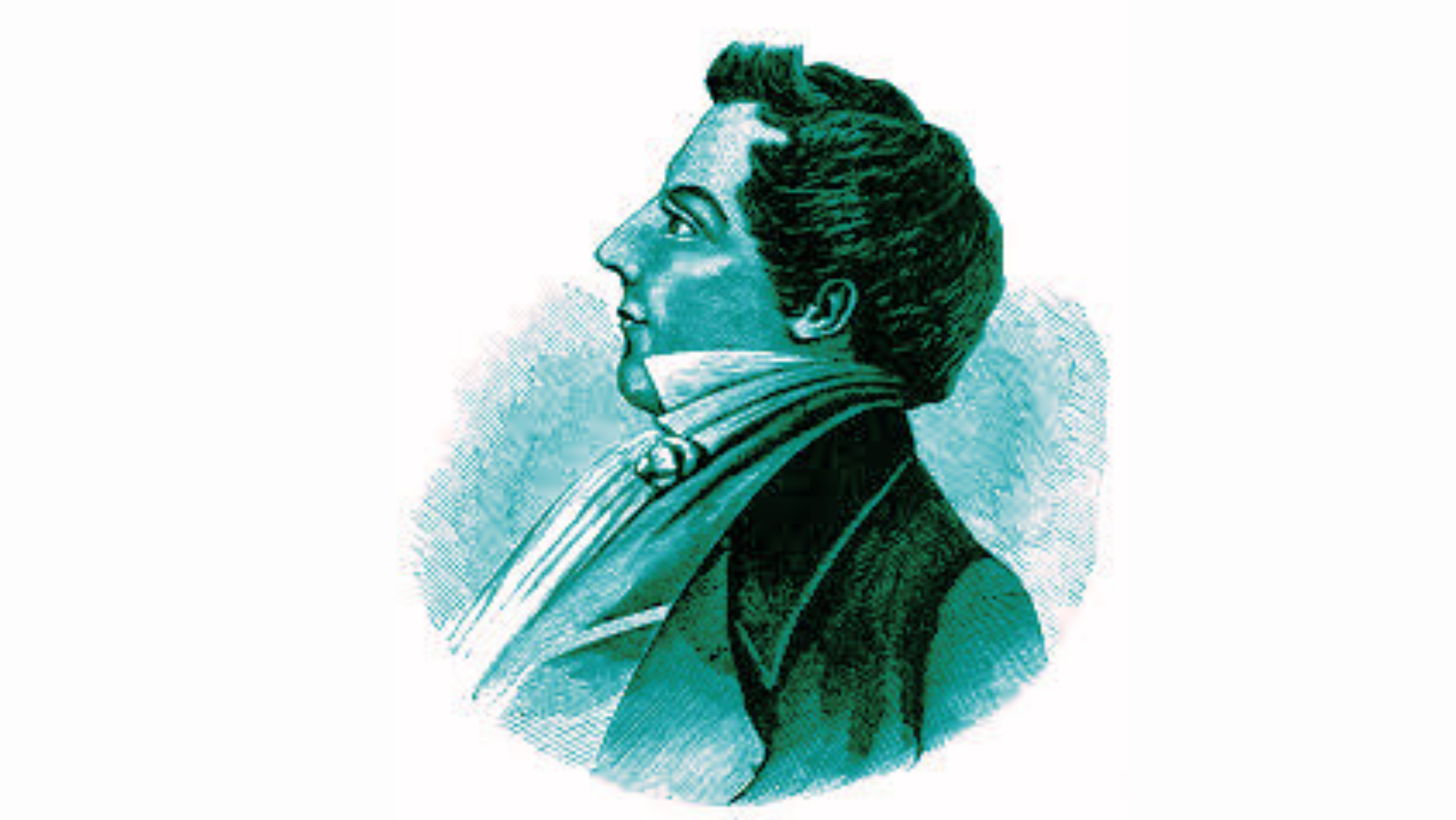
Shiffler-Olsen turns Joseph Smtih’s first-person First Vision accounts into poetry.


Dialogue 49.3 (Fall 2016): 151–155
Shiffler-Olsen turns Joseph Smtih’s first-person First Vision accounts into poetry.

Every afternoon when I pick my children up from school the teacher who acts as a crossing guard calls out, “Hello, Mrs. Harding!” I return his large, friendly smile and call back, “Hello, Mr.—!” Occasionally the encounter is elongated by a sentence or two about how brilliant my child is or how much she enjoys his English class. On the whole, it is a pleasant exchange. But my name is not Mrs. Harding. It never has been. Not even when I was married.
The famous couplet coined by Lorenzo Snow in 1840, “As man now is, God once was: As God now is, man may be,”rears its head every now and then, inspiring both awe and some confusion among rank-and-file Latter-day Saints while causing at least a degree of discomfort for Church leaders and spokespeople who are trying to make Mormonism more palatable for our mainstream Christian friends and critics. Some observers have even suggested that the Church is intentionally downplaying this doctrine.Nevertheless, the couplet found its way into the 2013 Melchizedek Priesthood/Relief Society manual Teaching of Presidents of the Church: Lorenzo Snow, and this distinctive doctrine also appeared prominently in previous manuals containing the teachings of Brigham Young and Joseph Smith.
The sudden and unexpected resignation of Pope Benedict XVI in 2013 broke a centuries-old tradition within Roman Catholicism of service until-death of its top leader. If, as many expect, Pope Francis I eventually follows Benedict’s lead, it is likely that a new and enduring tradition will have been effected.The astounding transformation of the Roman Catholic Church under the younger and energized Francis underscores the importance of Benedict’s courageous decision.
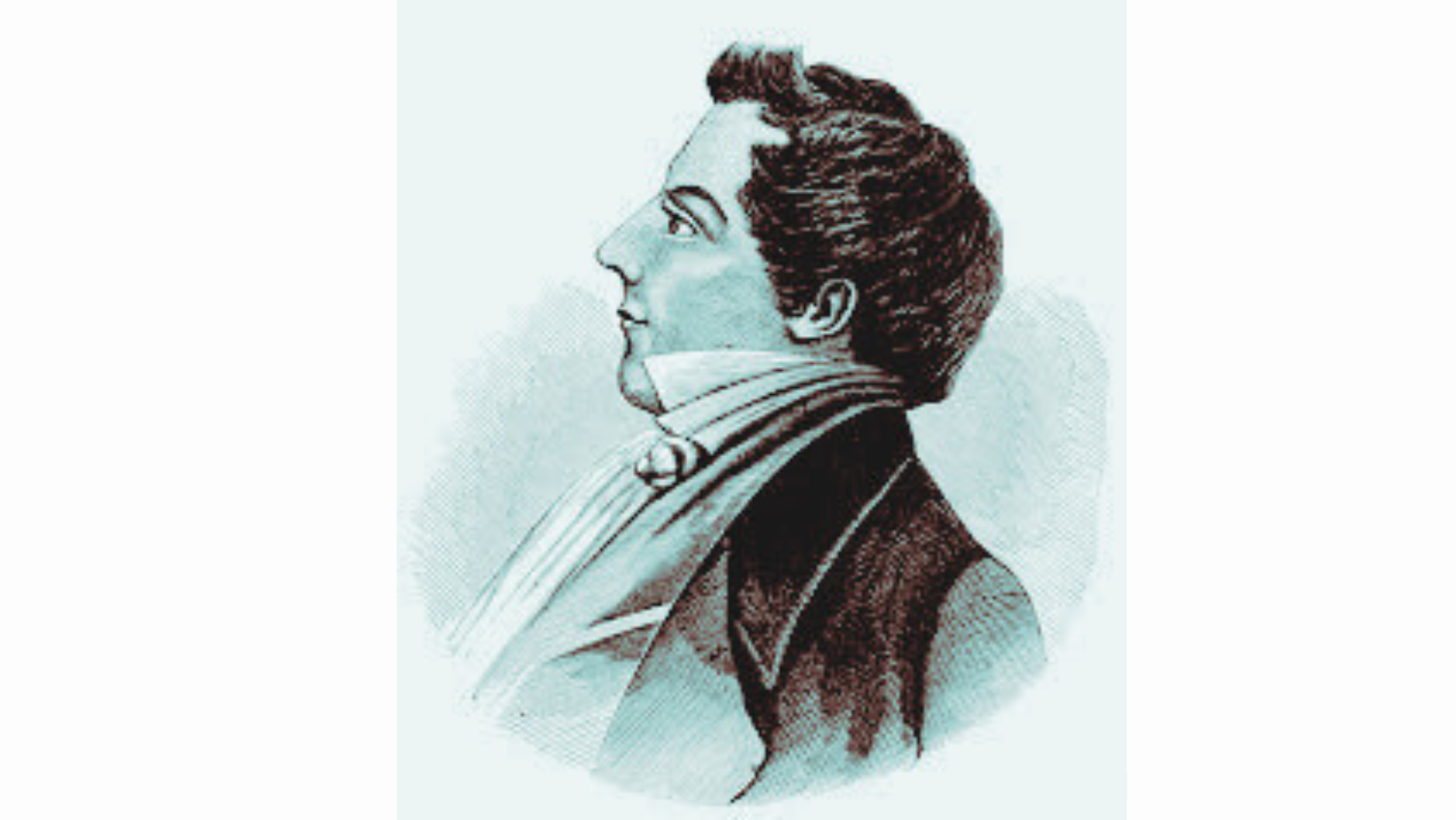
Dialogue 49.3 (Fall 2016): 75–88
Probably the most destabilizing piece of historical information most Mormons come across is Joseph Smith’s polygamy.
My first entry into the world of so-called Mormon polygamy began on June 17, 2010 when I attended the second annual conference of Safety Net, an organization that seeks “to assist people associated with the practice of plural marriage, whether an active polygamist or exiting polygamist.” Safety Net strives for neutrality toward the actual practice of plural marriage so they can “meet physical, emotional, and educational needs.”The goal of their annual conferences is to increase awareness of the issues surrounding the practice of plural marriage, present individual stories of polygamy, and discuss resources available to those wanting to leave polygamous family structures.
Polygamy is, for many Americans, Mormonism’s defining feature. Even now, over a century after the main church abandoned the practice, images of Latter-day Saint polygamy persist in the popular and scholarly imagination. Most accounts of Mormon polygamy have either emphasized sexual experimentation and marital reform on the one hand or biblical primitivism on the other.While these accounts are at least partly true—Joseph Smith did believe that he was replacing a failed system of marriage, and he and his colleagues frequently invoked Bible patriarchs to explain their behaviors and doctrines—polygamy was also a solution to a specific set of contemporary cultural problems—remarriage after bereavement—refracted through biblical interpretation.
Mary Cooper and James Oakey, my maternal great-grandparents, married in 1840 and settled in Nottingham, England. Victoria was on the throne, and occasionally the citizens of Nottingham came out to pay honor as the queen in her carriage passed through on the way to Belvoir Castle. Mary gave birth to seven living children. James became a designer and maker of lace and also helped to develop new lace-making machinery.
According to his official history, that’s all Joseph Smith said to his mother after God the Father and Jesus Christ appeared to him while he prayed by himself in the woods. Whether or not Presbyterianism was true was a more pressing question for the young Joseph Smith than it is for most of you. Sometime in the mid-1820s, Lucy Mack Smith and several of Joseph’s siblings joined a Presbyterian church. Joseph must have wrestled with his mother’s choice. Like his father, though, he never joined any Protestant church. But it was surely a major point of controversy and discussion in the family.
I am delighted and honored to serve as the new editor of Dialogue: A Journal of Mormon Thought. It is particularly exciting to be coming on board as we anticipate the journal’s fiftieth anniversary. (Stay…