Celestial Terms | In the Night | Tangled Women
March 14, 2018You love me in algebra—
D + d = L to the Nth degree,
and I love you in quarter notes—
a fierce appoggiatura and a soft, high C.



You love me in algebra—
D + d = L to the Nth degree,
and I love you in quarter notes—
a fierce appoggiatura and a soft, high C.
In his body’s haze and swelter,
In the furrow of appetite,
The Son of Man holds out his hand
To stem the stream of lush requests,

Dialogue 44.3 (Fall 2014):53–101
Initially, I intended only one article on the usage of archaic pronouns
and the implications of certain irregularities. But as I delved deeper
into the implications, particularly what the erratic usage suggests
about the translation of the Book of Mormon, it became obvious
that this particular detour needed to stand alone as a companion
piece to the main article

Hong Kong, Dan Rather declared as he began his television coverage of the 1997 “handover” from British to Chinese sovereignty, “is Asia for beginners.” That is what it was for me, although it has been my home now for more than twenty years. In all of that time and in all of my work on American culture in transnational contexts, considering how people are changed by their cross-cultural encounters, I have never written about Mormonism and its various crossings in Asia. Although I have no doubt that my beliefs infuse my professional work, as I thought about Asia in my Mormonism, trying to parse influences and see where the academic training and the Mormon upbringing inform one another became impossible.

Editor’s Note: This article has footnotes. To review them, please see the PDF below. “Religion is like smallpox. If you get a good dose, you wear scars.” —Vardis Fisher, We Are Betrayed In 1940, Vardis Fisher…

My husband grew up backpacking, and it was one of the conditions of our marriage that I would learn to backpack too. I do it now, and occasionally even enjoy it, but it’s definitely a stretch to say that I’m good at it or love it as wholeheartedly as Mike does; backpacking is perpetually a challenge for me, and my favorite part is the end of the day when I collapse in our tent with my Kindle. I say this by way of prefacing a personal story so that you understand the context as I start telling you about a time when nature nearly got the best of me.

Russell Arben Fox: Okay, Megan, I’ll start. Miller prefaces his book with the statement that “Here, my work is personal. I mean only to address the real beauty and real costs of trying to live…
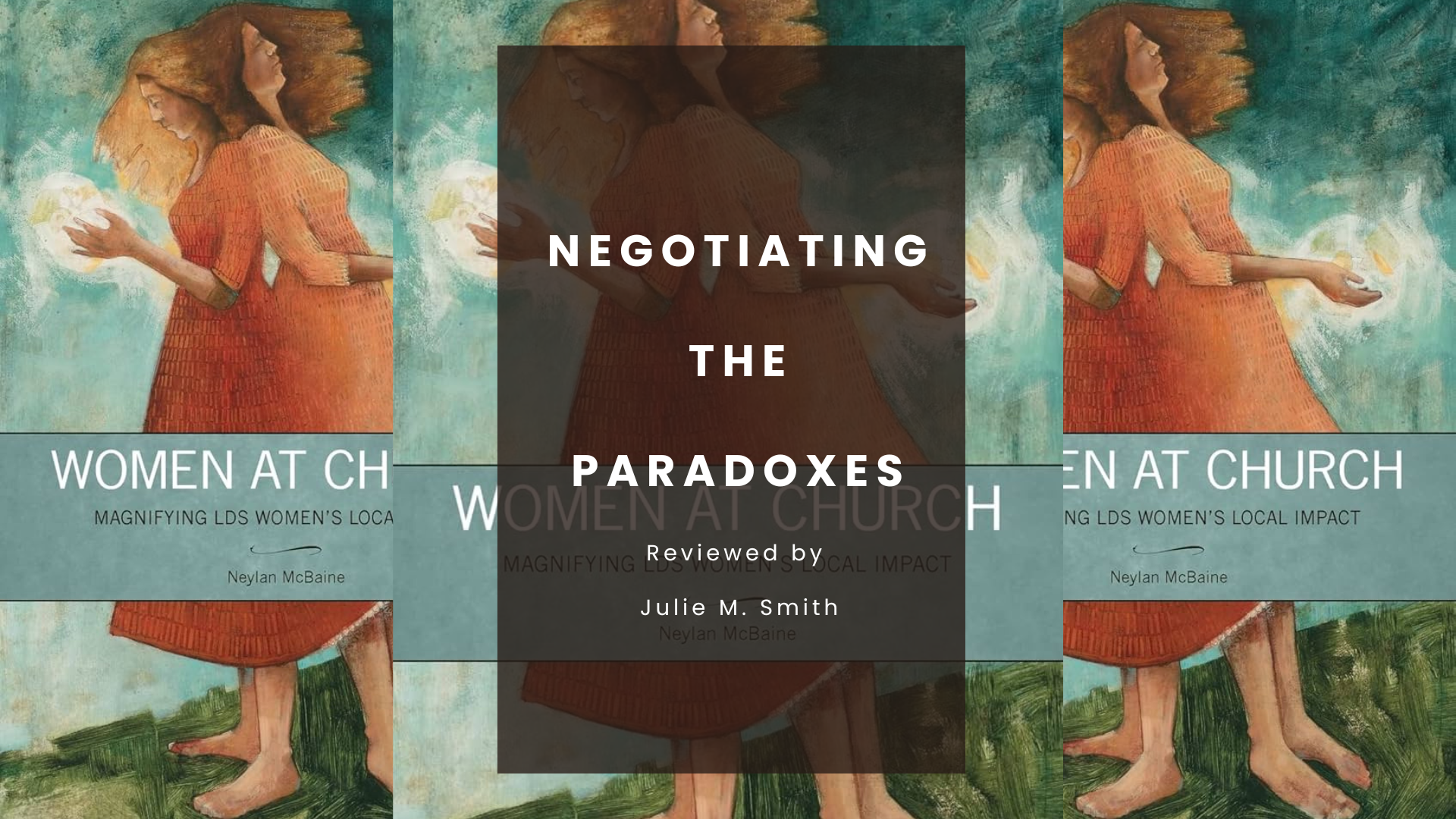
Neylan McBaine’s book Women at Church includes the following interview excerpt:
On one Sunday in my ward, the final assigned speaker was a woman. She seemed flustered to be in the last slot, was apologetic to the audience and lamented that we weren’t going to get the final word in the meeting from a priesthood holder. And then she gave her talk.
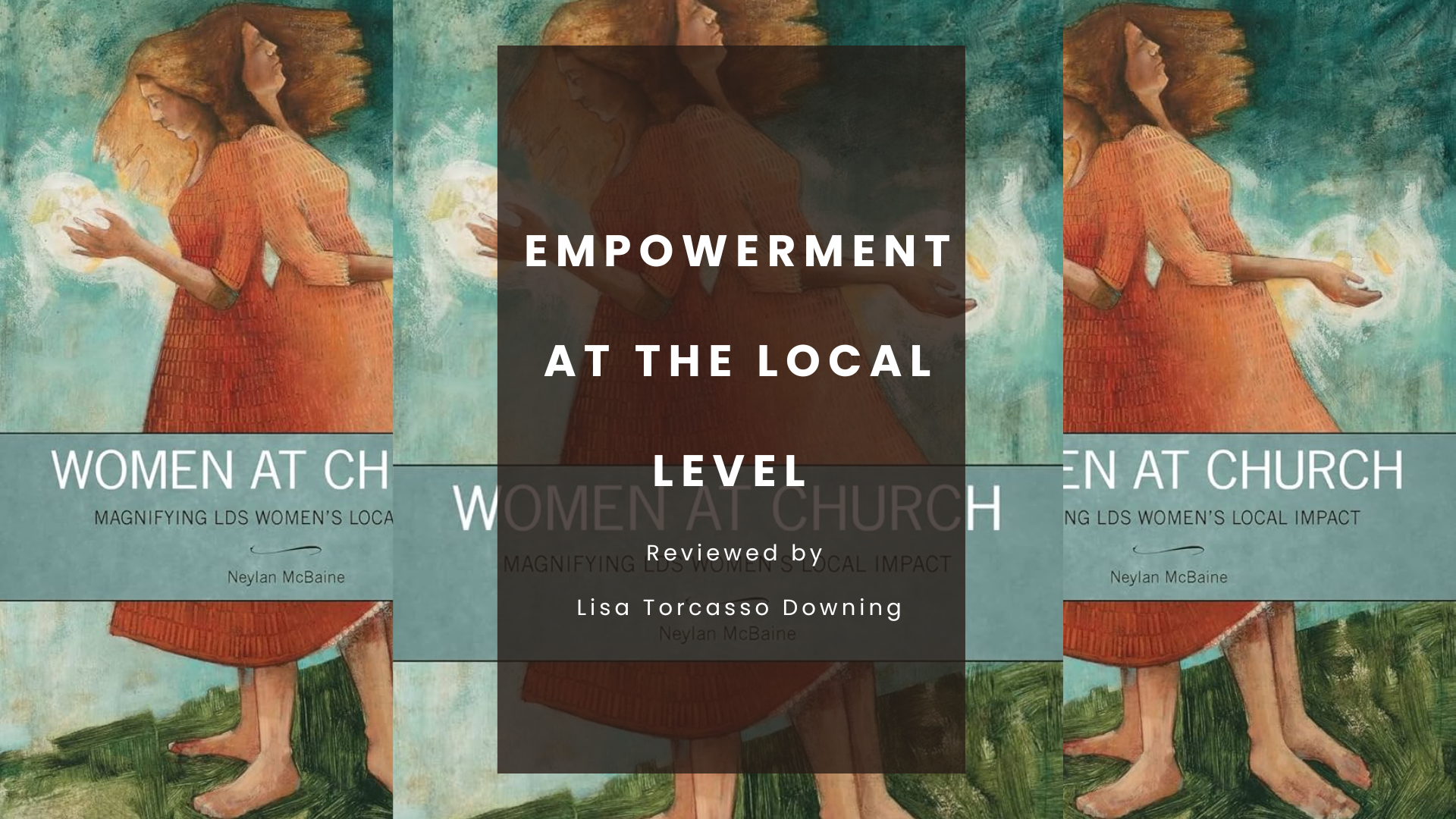
Tension isn’t new to the Church of Jesus Christ of Latter-day Saints. From its foundation, the Church has drawn fire for its religious, social, and political stands. However, these historical tensions seem, in large measure,…
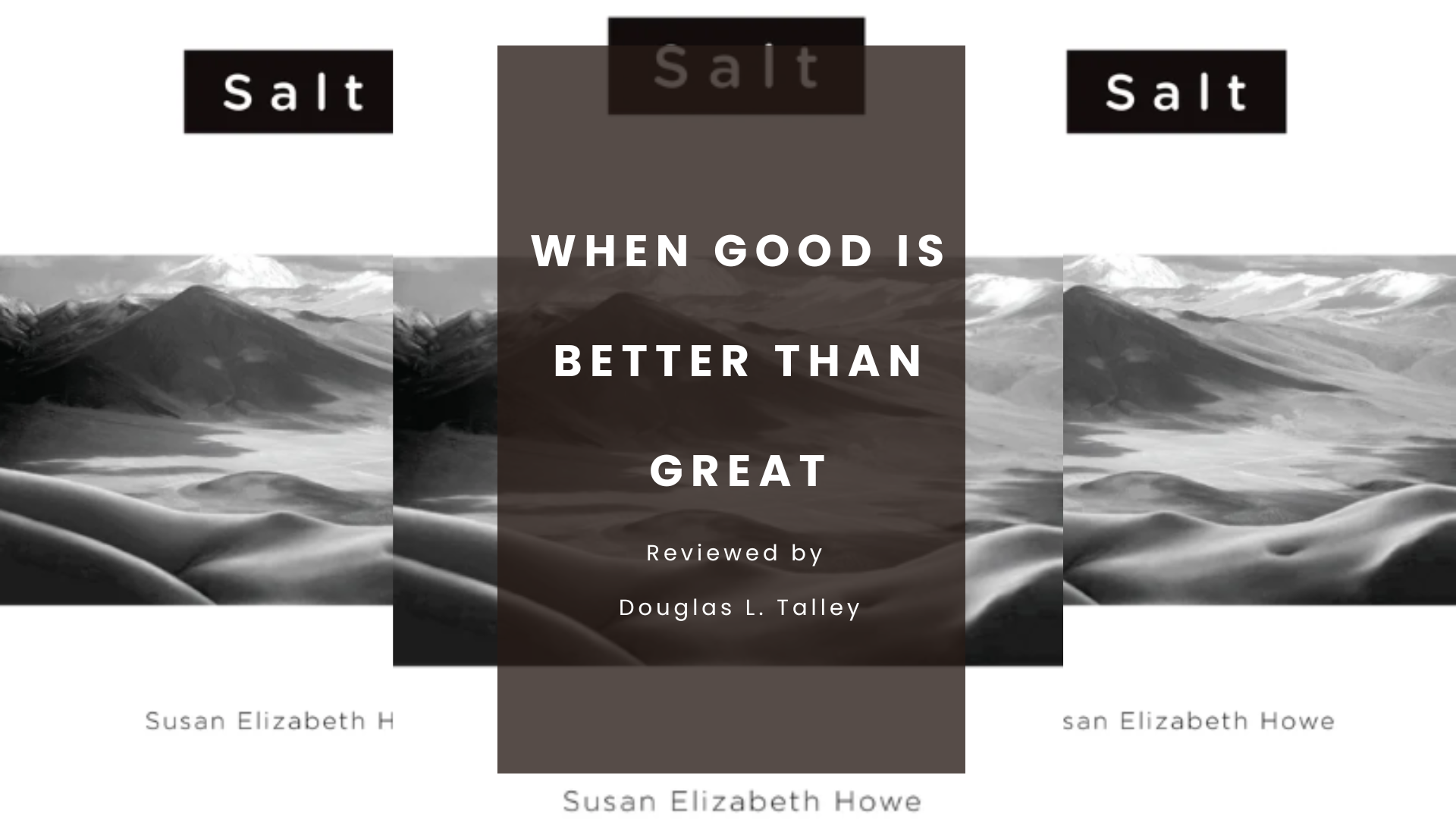
What Beatrice said of Dante might well apply to Susan Elizabeth Howe’s latest collection of poetry, titled Salt. The observation was fictional, served up in an obscure but brilliant nineteenth-century book, Classical Conversations by Walter Landor, in which, during an imagined last conversation, Beatrice tells Dante, “You will be great, and, what is above all greatness, good.”