Etching
March 18, 2018Writing on the subway feels like etching
an intaglio on horseback. The train
writhes and bucks beneath me, making


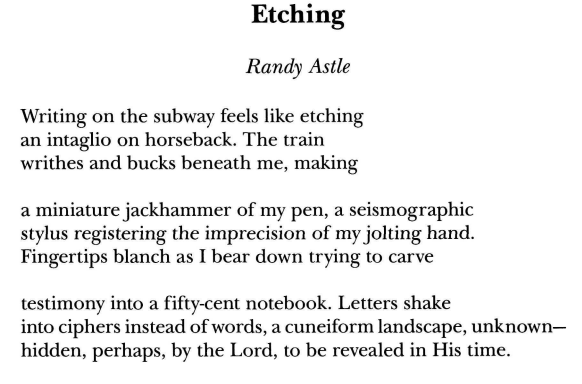
Writing on the subway feels like etching
an intaglio on horseback. The train
writhes and bucks beneath me, making
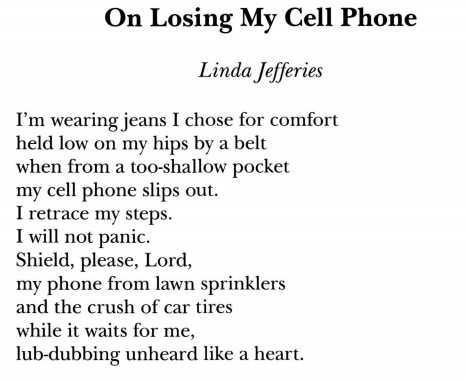
I’m wearing jeans I chose for comfort
held low on my hips by a belt
when from a too-shallow pocket
my cell phone slips out.
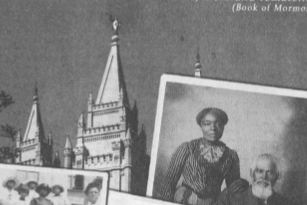
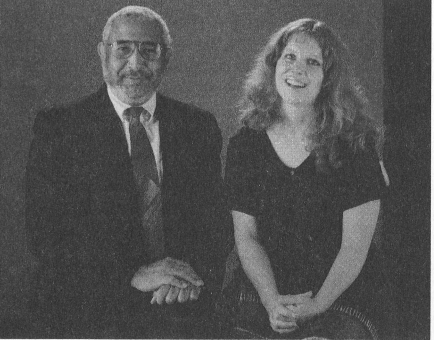
This script, with punctuation, capitalization, and formatting standardized, is published here by permission of Darius Aiden Gray and Margaret Blair Young.

Two analogies occurred to me as I developed this essay—first, that of a dialectical assertion with its thesis, antithesis, and subsequent synthesis. The second analogy, more visual, is of a triptych, with two opposing side panels and finally a central one—an attempt to integrate and reconcile the other two. Hence, the essay’s three divisions. It is less an argument than a plea. Its reconciliations depend upon the reader’s willingness to make the shifts in perspective necessary to see, in the same moment, the opposing panels and the emergent synthesis of the center.
The Green Library stacks are a study in contradictions.
Outside lies Stanford grandeur—three-story stucco architecture spread across multiple thousands of acres, perfectly manicured lawns and plant arrangements, arches, gates, fountains. The rest of Green Library shares that aura: airy rotundas with marble floors and booming ceilings, elegantly decorated study lounges with comfortable, oversized couches, crisp clean top-of-the-line Apple G5 computers, luxurious carpeting, and well-lit lines of bookshelves holding knowledge in tens of different languages.
More than half a century ago, sociologist Thomas O’Dea said the following about the university student who is a Latter-day Saint: “He has been taught by the Mormon faith to seek knowledge and to value it; yet it is precisely this course, so acceptable to and so honored by his religion, that is bound to bring religious crisis to him and profound danger to his religious belief. The college undergraduate curriculum becomes the first line of danger to Mormonism in its encounter with modern learning.”
My goal here is twofold. First, I want to demonstrate that current notions about dissent in the Church—whether it is good or bad—are inadequate because the language available for talking about dissent is insufficient. Both dissenters and their critics oversimplify and improperly conflate categories, which leads to a great deal of suspicion and mistrust on all sides because we can’t communicate effectively with each other. This deficiency is not particularly anyone’s fault; rather, it indicates that we need a better concept of what dissent is, so that we can talk about it in more subtle ways.
I remember those verses striking a powerful chord within me when I read them on a bright autumn day in 1980. I was then in the first few months of my LDS mission in central Virginia. But reading those words took my mind and emotions back to the desert mountains of western Utah earlier that year. A friend and I had taken a quick camping trip to collect fossils in that remote area; and something in the desert sun, the bare exposure of earth, and the surrounding evidence of unimaginably ancient life produced a feeling so strong that I recognized it immediately when I later stumbled on that passage of scripture. I couldn’t then put my finger on the exact meaning of the emotion—something about the smallness of our place in the universe and our inability to understand it all. It was as powerful as any religious feeling I had ever had, and its duplication at reading the opening of Ecclesiastes nearly brought me to tears. I read the remainder of the book eagerly, naively hoping to find its resolution.