DiaBLOGue

Can Deconstruction Save the Day? “Faithful Scholarship” and the Uses of Postmodernism

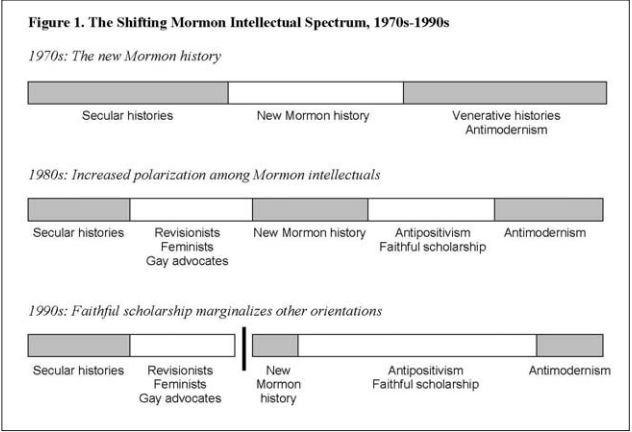
Writing in the mid-1990s, Mormon-watcher Massimo Introvigne made a counterintuitive observation about debates over Book of Mormon historicity among Mormon intellectuals, as compared to analogous debates between Protestant fundamentalists and liberals. Fundamentalists, despite their reputation for being anti-scientific, were “deeply committed to Enlightenment concepts of ‘objective knowledge,’ and ‘truth,’” confident that an impartial view of the data would confirm the historical authenticity of the Bible. Protestant liberals, in contrast, deployed a “post-modern, anti-Enlightenment epistemology” to undermine absolutist readings of the Bible. The opposite dynamic, however, prevailed in the Book of Mormon debates. Liberals publishing with Signature Books—such as Edward Ashment and David P. Wright—were “staunch defenders of the Enlightenment,” with its ideals of disinterested reason and the unfettered search for truth, while conservatives publishing with the Foundation for Ancient Research and Mormon Studies (FARMS) held “the late modernist and post-mod ernist position that knowledge is by no means objective, and that ‘true,’ universally valid, historical conclusions could never be reached.”

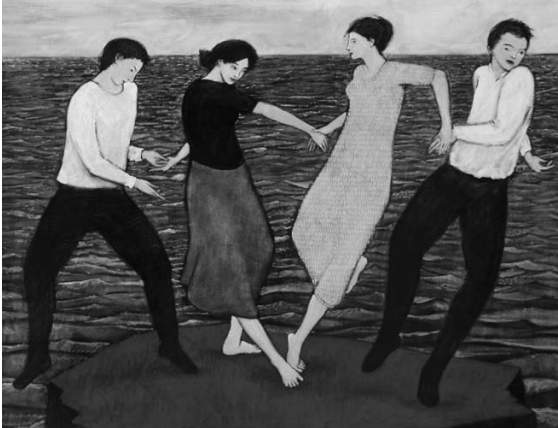
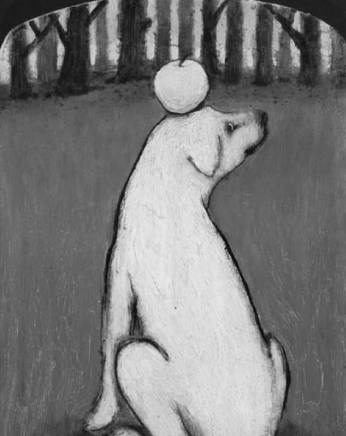
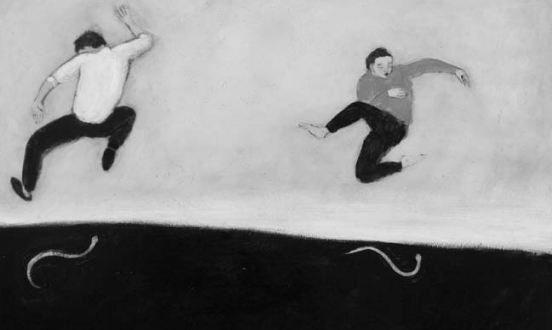
About the Artist: Brian Kershisnik

Brian Kershisnik lives with his wife, Suzanne, and three children in Kanosh, Utah. The son of a petroleum geologist, he grew up in Angola, Thailand, Texas, and Pakistan. After serving a mission in Denmark, he…

Writing Awards for 2007

Dialogue Best of the Year Awards  Dialogue Best of the Year awards are for contributions judged as superior in their respective categories.  ARTICLE  Cetti Cherniak, “The Theology of Desire, Parts I and II” Spring and…

The Goodness of the Church

Attending sessions of April general conference with my wife in 2007, I was reminded in many ways of the goodness of the Church. Joining fellow Saints flowing into the Conference Center on a bright Sunday morning, I was aware that I was part of a body of believers whose collective faith and devotion constitute a vital force in the world. I was reminded of this goodness while watching the October 2007 general conference on television. The music for the Saturday afternoon session was performed by a chorus of young women in their midteens, all wearing a garden of blouses in solid colors. As the camera swept over that array of bright, beautiful faces, I was impressed by what they represented of the three great human quests—Truth, Beauty, and Goodness—whose fusion and harmony, as Wayne Booth argues, constitute God. Their faces, the words spoken during the conference sessions, the music, and the feelings—all of these things engendered in my heart a remembrance of the ways the goodness of the Church has blessed my life over the years.

Driving to Heaven

Cory and I more or less live in the cab of a long-haul semi. We have a house in Indiana, but we don’t make it home very often. It’s not unusual for two months to…

Love Your Elders

Nothing thrilled me more as a little girl than hearing my parents’ courtship story: my mother, diminutive and dimpled, was eighteen, Australian, and a recent convert to the Church, living with her parents and six…

Good Stories Told Well: A Survey of Mainstream Children’s Books by LDS Authors | Shannon Hale, The Goose Girl; Stephenie Meyer, Twilight; Mette Ivie Harrison, The Princess and the Hound; Brandon Sanderson, Alcatraz vs. the Evil Librarians; R. D. Henham, Red Dragon Codex; Brandon Mull, Fablehaven

If you’re at all familiar with literary talk these days, you might be aware of the chatter about children’s and young adult literature being the hot new thing. Everyone’s wondering what will be the “next…