The Nature of Comets
March 21, 2018We found the remains just below the embankment of an antediluvian oxbow. She had been lying there a long time, before the Cayuse and Lewis and Clark and the Grand Coulee Dam and long before…


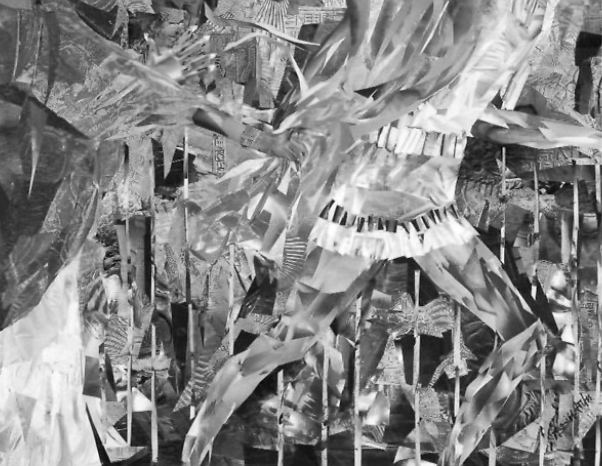
We found the remains just below the embankment of an antediluvian oxbow. She had been lying there a long time, before the Cayuse and Lewis and Clark and the Grand Coulee Dam and long before…
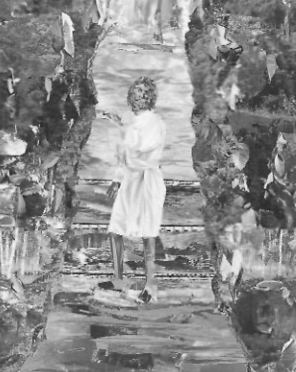
On this year’s Christmas letter to friends and family, I left out the fact that our two sons have joined another church. I prefer to avoid receiving sympathetic messages such as, “Don’t be upset. The…
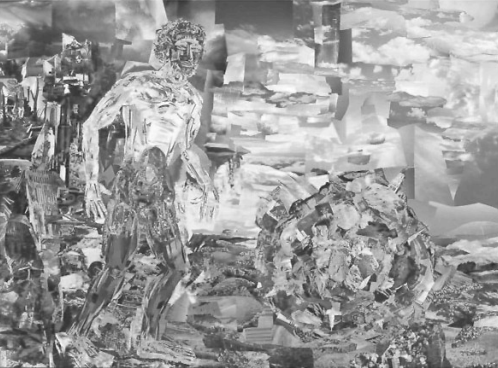
October 1954. I am age nineteen and in Clark’s Barbershop with Lloyd for his weekly duck’s butt haircut. He’s reading the Salt Lake Tribune and 1 am turning magazine pages. A coupon says, “Play a guitar in six weeks.” I nudge Lloyd, “My convertible needs a guitar player.”
Dialogue 40.1 (Spring 2007): 83–136
Watson explains how the secret marriage of Louis J. Barlow to a 15-year-old girl caused a major rift among fundamentalists. Today’s fundamentalist members are still experiencing the effects of that marriage.
With the Utah War’s sesquicentennial commemoration now underway, it is appropriate to reexamine that campaign’s origins, conduct, significance, and historiography. This article’s purpose is to stimulate such probing. I hope to do so through the story of my own research and conclusions about the war over the past half-century—one-third of the period since President James Buchanan and Governor Brigham Young came into armed conflict during 1857-58.
A friend who is a soprano once related a story to me of a rime when she was accompanied by a male pianist. They worked together on the piece for some weeks; and finally, when they performed, the ecstatic release, the sense of the flowing together of their spirits, was, in her words, “like making love.”

Susan Lee Anderson, Appreciation for Frances Menlove
Tom Rogers, An Issue Reflecting Balance
LaVal W. Spencer, Kirk Hagen’s Accomplishment
David O. Tolman, Natural vs. Supernatural
William D. Russell, What Is FARMS Afraid Of?
Mark Ashurst-McGee, Ashurst-McGee Replies to Vogel
Ralph Hansen, A Founder Bows Out
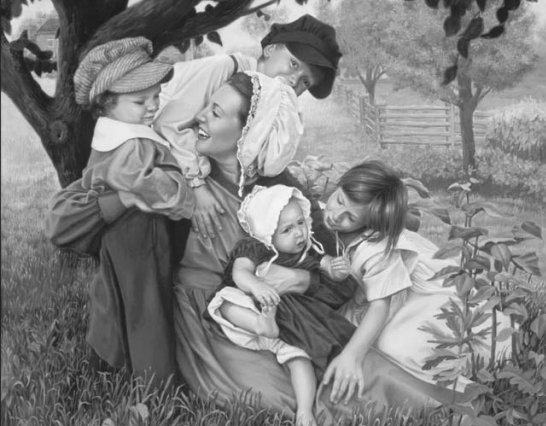
The Last Supper (Place Setting) Bethanne Andersen A graduate of Brigham Young University’s BFA and MFA program, Bethanne Andersen initially focused on abstract painting but later moved to New York to study illustration at the…
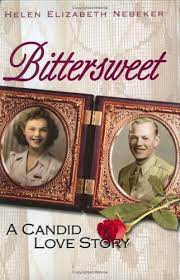
Extracting one’s memoirs from correspondence can be emotionally hazardous. This is especially true if the subject is romance and the sources are love letters. But if the settings, both global and personal, are unusually profound,…
You might say that Thom Duncan is the founding grandfather of The Nauvoo Theatrical Society. In 1983 Duncan owned Theatre-in-the-Square in Provo, Utah, the first theater dedicated to the production of LDS-themed dramatic works. This…