Our Fecundity
April 10, 2018What have we done?
This wrinkled child
did not ask for entry;
it answered our call


What have we done?
This wrinkled child
did not ask for entry;
it answered our call
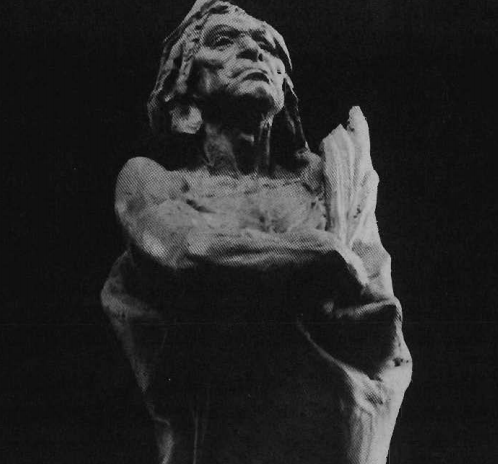
When I agreed to edit the work B. H. Roberts: Studies of the Book of Mormon, it was my intention to follow as faithfully as possible the explicit duty of any editor—to prepare the literary…
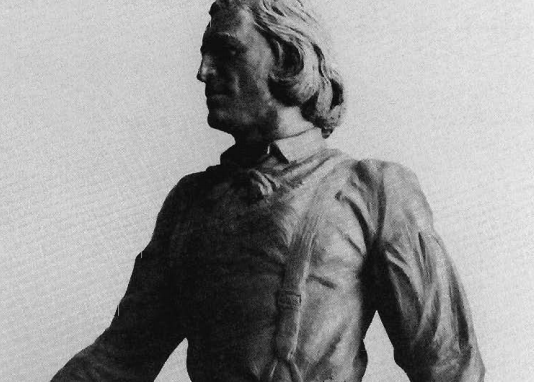
In my early years, I had occasional personal contact with B. H. Roberts. He was a friend of both of my grandfathers, and one of his daughters was married to my mother’s brother, with whose…
Have you noticed, then, that sound moves
differently in fall—such falling
of leaves, a fall
from warmth and

The idea for this essay came from Lu Ann F. Snyder, a delightfully sardonic being who is secretary to the provost at Brigham Young University. When LDS church members call the provost’s office wanting this…
Best thing that ever happened
In church was when Martha
Got Nancy to sing “Summertime”
On Mother’s Day—

The bond between Brigham Young University and the Church of Jesus Christ of Latter-day Saints precludes the university from becoming an entirely secular institution. Because BYU’s board of trustees, composed almost entirely of high-ranking church general authorities, is actively involved in the operation of the university, it forces administrators to manage the university in ways that accommodate the mission of the church as a primary focus. BYU’s academic mission is secondary to the university’s church mission.
In Saint George, Lena McCain had cancer.
She set her house in order.
In Las Vegas, the doctors went after the cancer with a knife,
got it, watched her closely.
The policy of recording patriarchal blessings, copies of which are deposited in the office of the LDS Church Historian, affords a valuable picture of cultural change in the church, perhaps reflective of changes in American society in general. In the interests of privacy, however, the church does not allow access to its copies of blessings, unless there is proof of blood relationship to the recipient. The researcher, therefore, must access blessings recorded in journals, those appearing in other manuscripts, and any blessings which individuals may choose to release for examination and publication. All of the 744 blessings upon which this study is based are drawn from these sources.
She adds up all the names
people have given her over the years:
‘Vain, difficult, cold.”
Someone once told her that