My Fifty Years in Journalism
April 26, 2018Can a Mormon boy from the cow country of the West reasonably aspire to a writing career in the mainstream of our national life? What roads are open to him? Must he sacrifice his faith…


Can a Mormon boy from the cow country of the West reasonably aspire to a writing career in the mainstream of our national life? What roads are open to him? Must he sacrifice his faith…
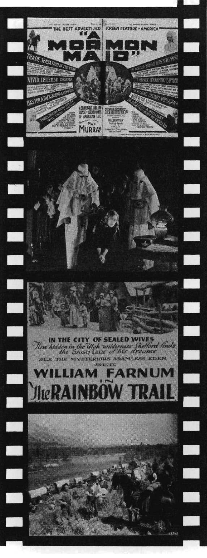
Mormons have been involved in films ever since Hollywood became a magic word. Church members first tried to influence the Hollywood establishment, then went on to create their own film industries; finally, today a corps…
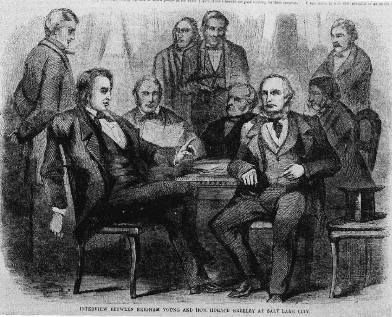
Nineteen Hundred and Seventy-Six was not a dull year for the 127-year-old Deseret News. Melvin Dummar, a Box Elder County service station operator, was named, along with The Church of Jesus Christ of Latter-day Saints,…
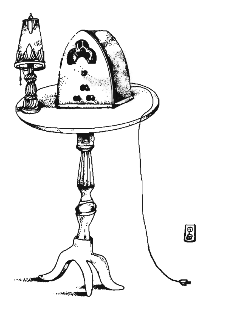
The Mormon Church is a formidable broadcast institution. Through subsidiary corporations and institutions it owns sixteen radio and television stations, a sophisticated international broadcast distribution system, a Washington news bureau, a cable TV system and production and consulting divisions.

Small wonder that churches use the mass media as a broad-based platform for information and persuasion. The communications marvels of our century make it possible for the LDS Church to reach a wide audience indeed,…
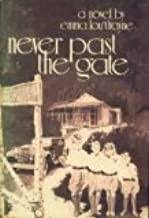
A serious novel about children usually is fascinating to adults. Emma Lou Thayne’s first novel, Never Past the Gate, is a zestful story with a mature theme. Ostensibly a lighthearted, nostalgic narrative of a family’s…
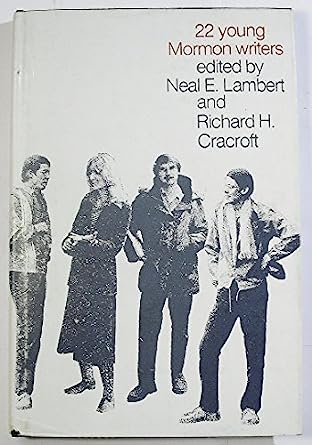
These five short stories and twenty-four poems are marked by talent, self-consciousness and unevenness. The stories are more consistently accomplished than the poetry, with one exception I will discuss later. I began at the beginning…
Dialogue 10.4 (Winter 1977): 139–143
Most Latter-day Saints probably would be surprised to learn the Book of Mormon is available in modern English and has been for over a decade. More recently the 1966 RLDS “reader’s edition” has been republished in paperback by Pyramid Publications and is now turning up at local bookstores.
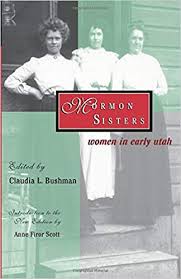
Edited by Claudia Lauper Bushman, founder of Exponent II, Mormon Sisters covers sizeable ground: articles about women as mystics and healers, midwives, schoolteachers, politicians, feminists; selections dealing with individual women (like Eliza Snow and Susa…
Since its 1922 publication, Joseph Fielding Smith’s Essentials in Church History has been regarded by Mormons as the standard one volume account. Even though it was continually expanded and updated through 28 editions (most recently…