DiaBLOGue

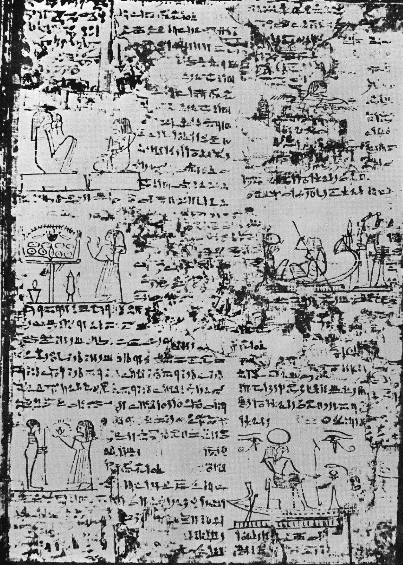
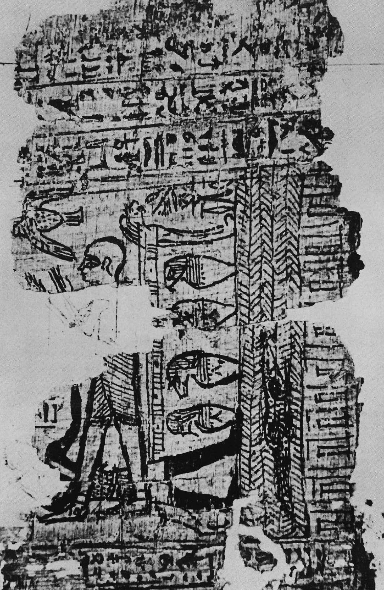
The Joseph Smith Egyptian Papyri: Translations and Interpretations: Phase One

Dialogue 3.2 (Summer 1968)101 – 105
Even a casual reading of the Book of Abraham shows that the story refers not so much to unique historic events as to ritual forms and traditions—all these must be checked. So far we have heard what is wrong or at least suspect about the Book of Abraham, but as yet nobody has cared to report on the other side of the picture. It is for that we are saving our footnotes.

The Search for Truth and Meaning in Mormon History

The philosopher Plato, to whom dialogue was the highest expression of intellectuality, denned thought as “the dialogue of the soul with itself.” It is thus altogether fitting that the editors of Dialogue should encourage Mormon…

Joseph Smith as a Student of Hebrew

Dialogue 3.2 (Summer 1968): 41–55
Zucker describes the efforts that Joseph Smith went through to study Hebrew. Joseph Smith’s personal behavior was apparently not changed, but in other aspects in later years there is evidence that Joseph Smith was using Hebrew language structure

On Mormon Music and Musicians

In the interest of broadening (and corroborating) my thinking about Mormon music, I recently contacted fifty Mormon musicians in an admittedly non-scientific survey. The survey sampled the obvious Church music hierarchy: the General Music Committee,…

RFK at BYU

Thank you very much. Thank you. I appreciate very much being here . . . I understand that this is a campus made up of all political persuasions. I had a very nice conversation with…