Ecology of Absence
October 26, 2018For starters, the desert is not empty. Things grow in ways you could not dream up. In the Arizona desert, where I was dropped off as a pain-in-the ass teen, there are ocotillo and prickly…


For starters, the desert is not empty. Things grow in ways you could not dream up. In the Arizona desert, where I was dropped off as a pain-in-the ass teen, there are ocotillo and prickly…
in counter-sense
the eye hunts out
more than what it holds

On November 9, 2016, I remained in bed all day. The previous evening— what F. Scott Fitzgerald might have referred to as the “real dark night of the soul”—I had broken all the speed limits…

One day, I woke up blinded by white light stinging my sleeping eyes. A thin, radiant line created by a break in my window blinds had been making a slow sojourn, day by day, across…
Looking back with the perspective of fifty years, I can see (and feel) a sustaining philosophy that has guided Dialogue through its amazing half-century tenure, more than a quarter of the entire history of the LDS Church.
For two days in October 2010, “The Family: A Proclamation to the World” was part of the LDS canon. Maybe.

I’m writing this from our roof, where I can see over the tops of mango trees, wet from last night’s rain. Mynas swoop from palm to palm, and enough sun filters through the misty dawn…
The Gospel of Mark repeatedly echoes the Hebrew Bible: from the extensive thematic and verbal parallels between Jesus’ calming of the sea and the story of Jonah to the quotation of a single line from a psalm serving as Jesus’ last words while he suffers on the cross, intertextual allusions are frequently recognized by modern interpreters of Mark.This paper considers a reverberation which has, to my knowledge, received no previous exploration:I will show how Mark’s story of the Greek woman echoes the interactions between Hannah and Eli in 1 Samuel 1.
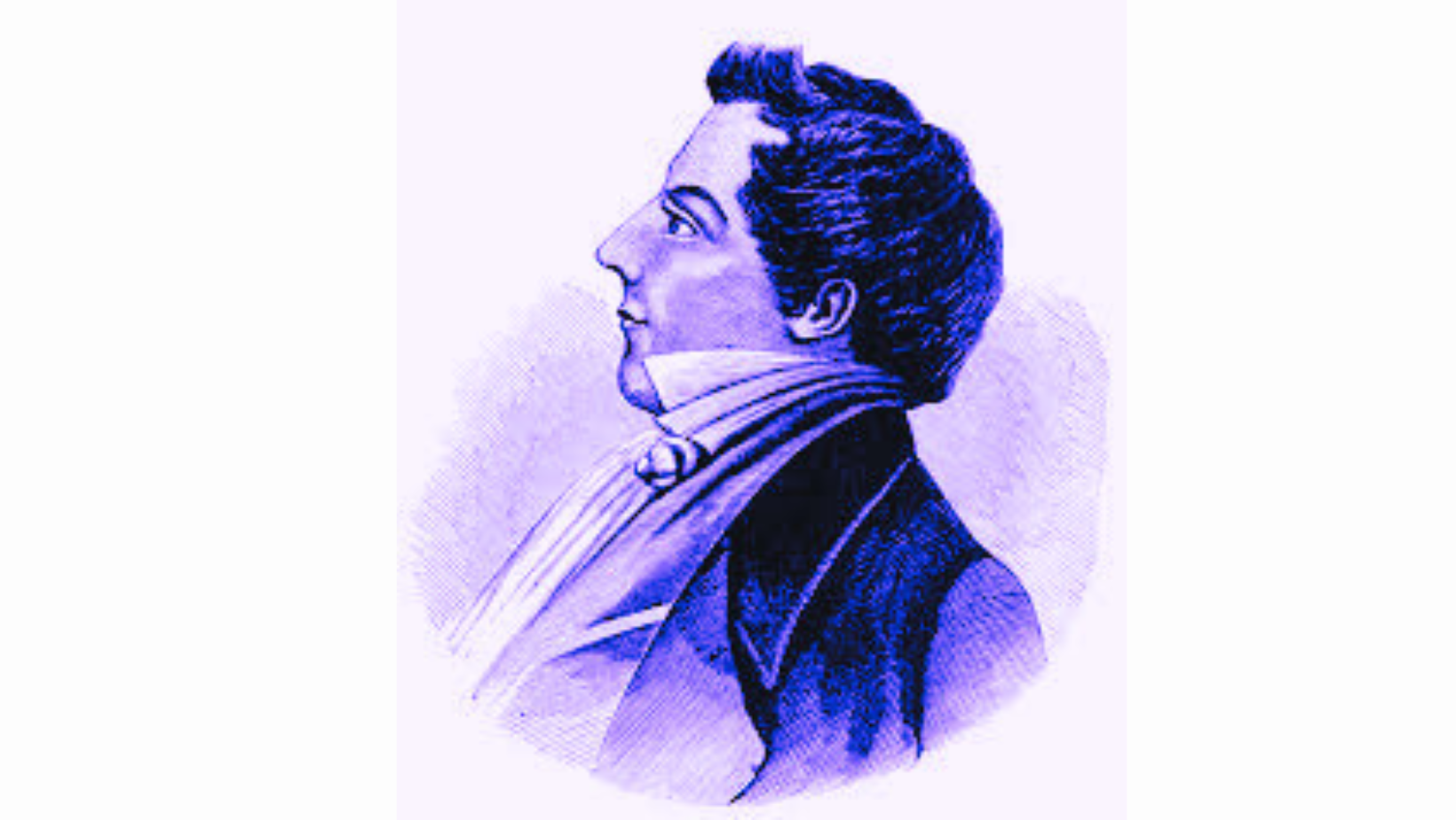
Dialogue 49.4 (Winter 2016): 87–108
The history behind a letter that was written by missionary Jedediah Morgan Grant to Joseph Smith, which contained information about Susan Hough Conrad and her brief love writings with a missionary who was serving in England named Lorenzo Dow Barnes.
In his 2005 commencement speech, the late novelist David Foster Wallace provided an unexpectedly frank description of American adulthood for the recent graduates of Kenyon College. Listing painfully familiar annoyances associated with what he calls the “day in day out” of middle-class America—including a hilarious retelling of the common supermarket experience—Wallace urges his audience to fight against their “natural, hard-wired default setting” that tells them they are “the absolute center of the universe; the realest, most vivid and important person in existence.”